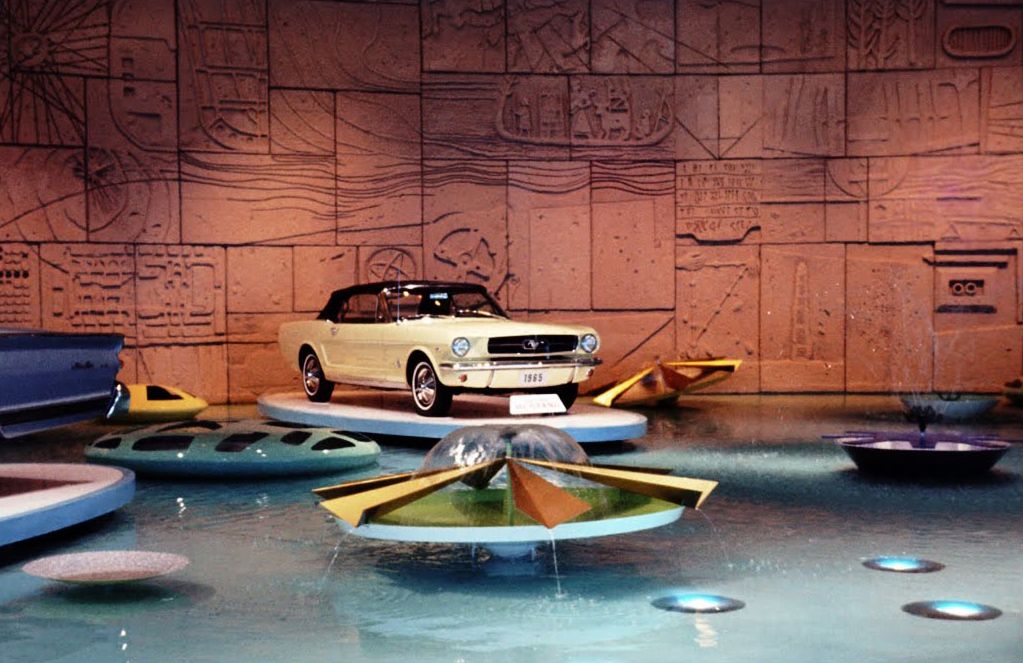
This day 17th April 1964, that’s 57 years ago at the New York World Trade Fair the Ford Mustang was launched to world wide acclaim. After 57 years the Ford Mustang is still the best selling sports car, but more on that in a bit in an article from Ford.
First we have a couple of iconic images from that now famous World Trade Fair that launched a legend with many copy cat rivals but never equalled Original Pony Car.



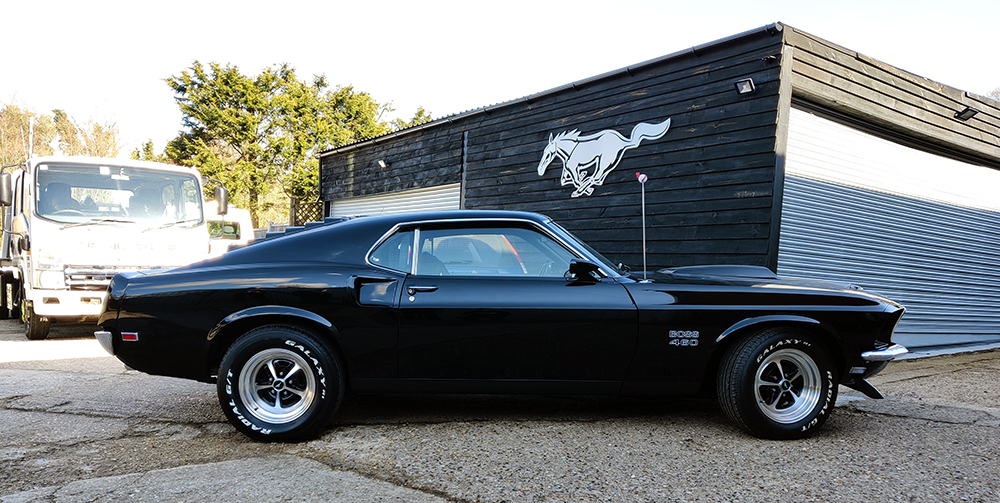
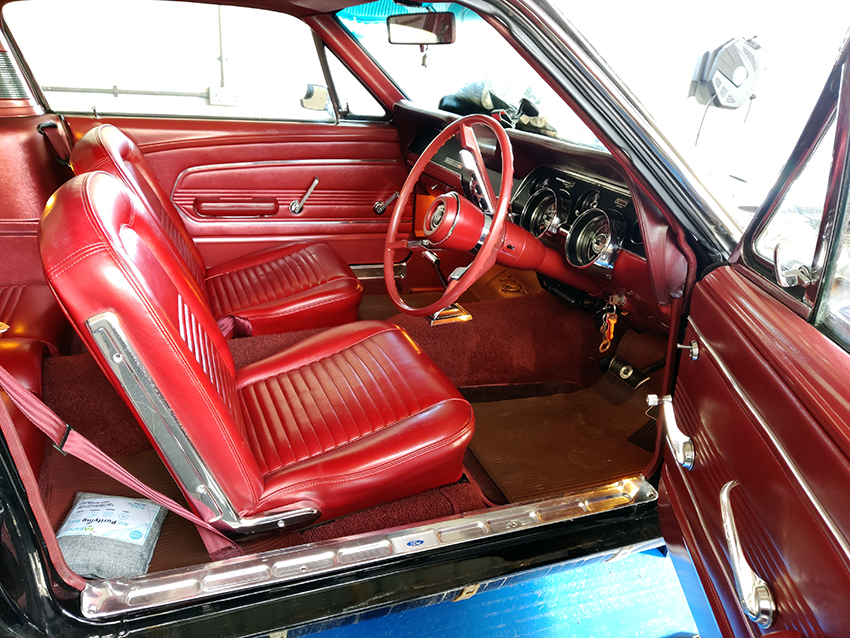
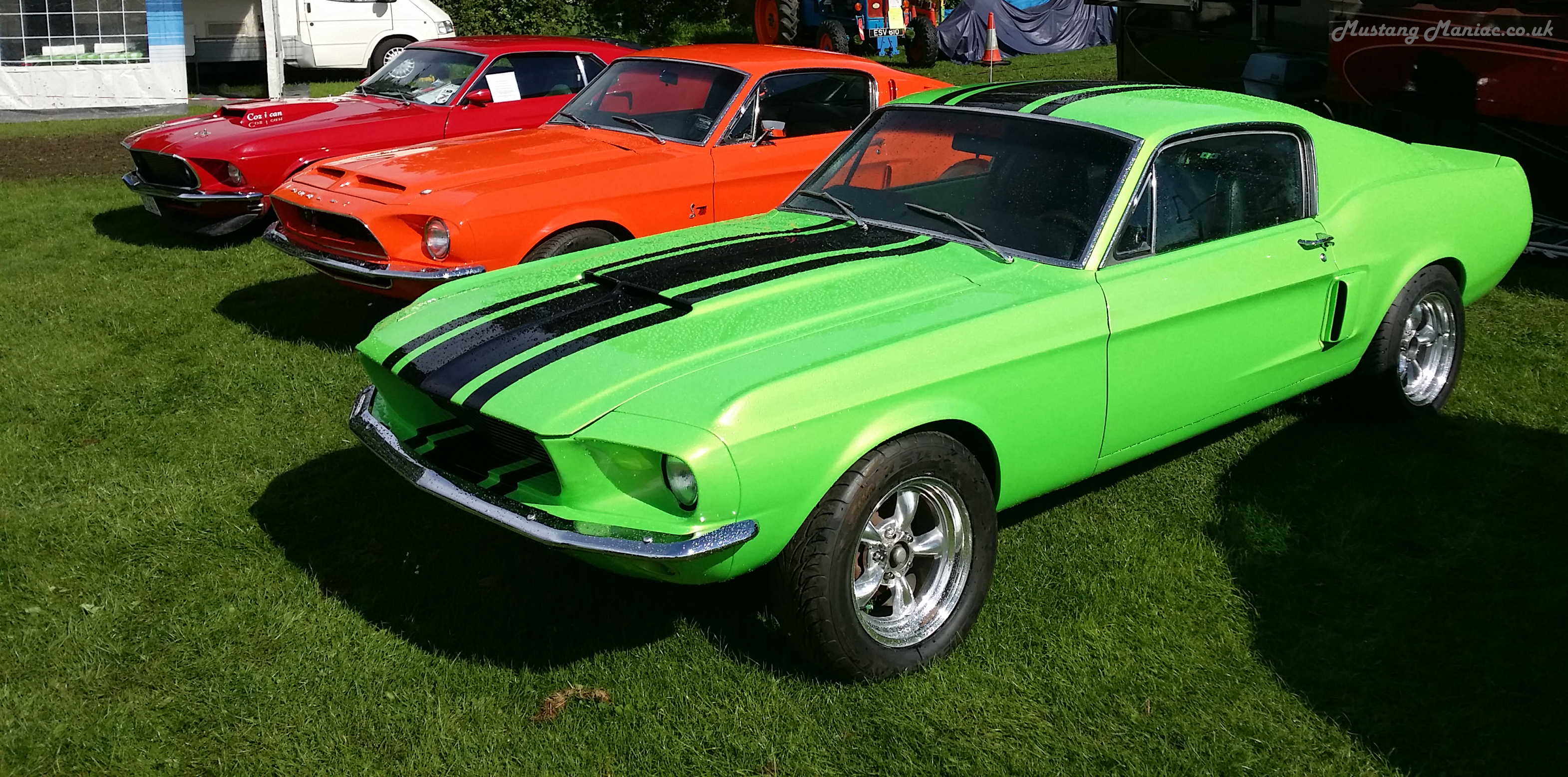
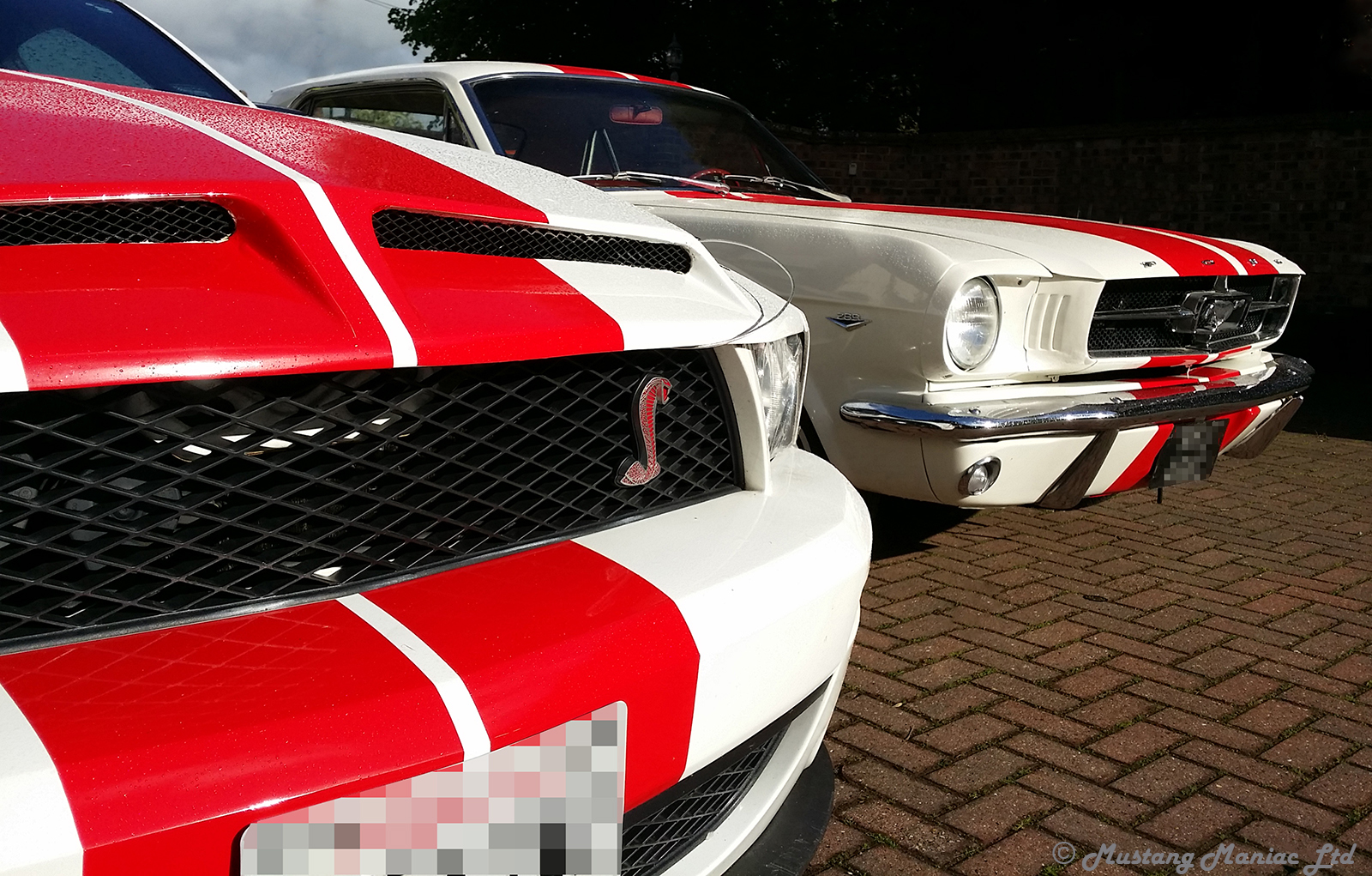
In order to celebrate “Mustang Day” on a sunny day for a change in UK we got the GT Hertz out and cleaned it.

Once she was cleaned up a bit we took her for a 57 mile drive to get some groceries and cruised at a steady 57mph (honestly guv), on the open road in front of us.

It was a pleasant relaxing drive and we felt quite refreshed after.
Articles:
1. Mustangs for the Win: Mustang claims Back-to-Back World’s Best-Selling Sports Car Crowns, Mustang Mach-E Shows strong Q1 sales
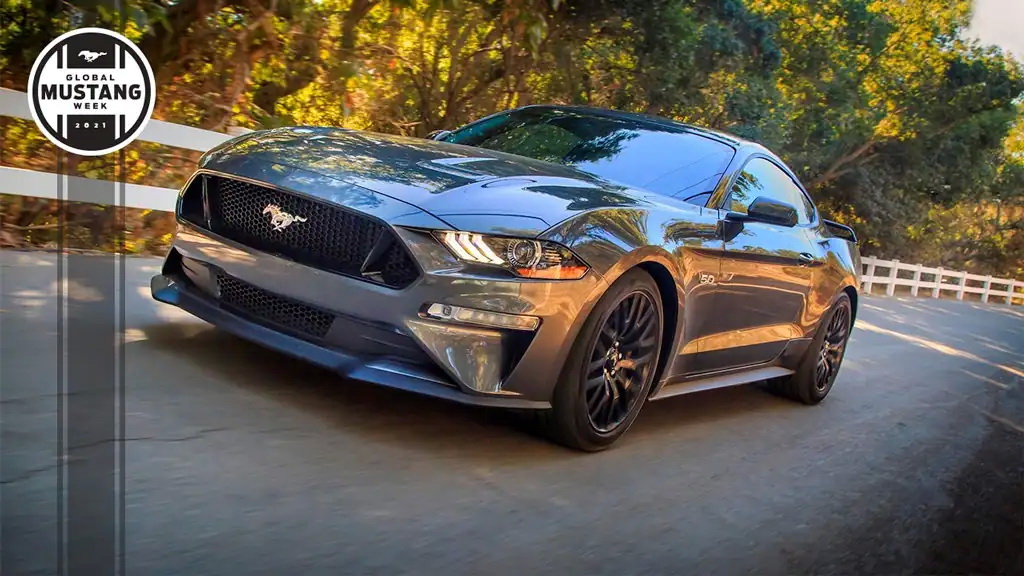
For sports car lovers around the world, Mustang has been a must-have ride for more than half a century. Fifty-seven years later, that love continues. The iconic Mustang capitalizes on our company strengths, leans into our strongest businesses and leverages our icons as a must-have product for generations of customers.
For the second straight year, Mustang – which celebrates its 57th birthday this Saturday – is the world’s best-selling sports car. The famed pony car also retained its title of best-selling sports coupe for the sixth straight year. Led by a surge in sales in high-performance Bullitt, Shelby GT350, Shelby GT350R and Shelby GT500 models, Mustang led all competitors with 80,577 global sales in 2020, according to the most recent vehicle registration data from IHS Markit*. That sales total represents 15.1 percent of the sports coupe market, up from 14.8 percent a year earlier.
“Mustang enthusiasts love their performance cars, and they showed that yet again,” said Hau Thai-Tang, chief product platform and operations officer, Ford Motor Company. “In a challenging year for the entire auto industry because of the global pandemic, Mustang performed very well, increasing its share in the global sports car segment.”
Sales of the high-performance Bullitt and Shelby variants were up 52.7 percent in 2020 from a year earlier, according to Ford internal data. Ford looks to continue its success with limited-edition models with the new 2021 Mustang Mach 1 entering the line-up.
The United States remains the strongest global market for Mustang, representing about three-quarters of total sales. Texas (8,600 vehicles), California (6,200 vehicles) and Florida (5,864 vehicles) remain the top U.S. markets.
Also helping Mustang retain its title as top-selling sports car were increased sales in various European markets. According to Ford internal data, 2020 sales in Hungary were up 68.8 percent over 2019; sales in the Netherlands (38.5 percent), Denmark (12.5 percent), the Czech Republic (5.6 percent) and Austria (4 percent) all increased.
All-electric Mach-E SUV continues Mustang momentum
Outside of the sports car and sports coupe segments, the all-new Mustang Mach-E all-electric SUV exceeded sales expectations in February and March on its way to opening 2021 with strong first-quarter retail sales totalling 6,614. Demand only increased as the weather warmed, and Mustang Mach-E units in late March spent an average of only seven days on dealer lots.
Mustang Mach-E customers, nearly 70 percent of whom are trading in their keys of competitive brands, lean toward premium Mach-E models. The Mustang Mach-E 4X all-wheel-drive-equipped models are outselling rear-wheel-drive units, while vehicles with extended-range batteries are more popular and are capable of up to an EPA estimated 305 miles** with rear-wheel-drive.
As a disruptor within our own Mustang family, its success shows that as we challenge our business models to create an all-electric Mustang and a robust charging ecosystem, it’s not business as usual—we’re driving the transition to an electric lifestyle.
2. How a Review of the ‘Special Falcon Project’ would forever cement what the First-Generation Mustang would be…
The design origins of the Mustang, the world’s bestselling pony car, have been told via a number of books and stories over the years. To celebrate it’s 57th birthday, we are releasing some new planning documents which will add to the body of information on how the car was designed. Some of the earliest planning documents when the car was still code-named the “T-5” or “Special Falcon Project” and weekly reports during the critical design phase will give Mustang lovers plenty of new material to read.
On August 16th, a design competition was held between the three Ford Motor Company design studios with the Ford, Lincoln Mercury and Advanced Products Studios all presenting options for the Special Falcon Project. See the images below.


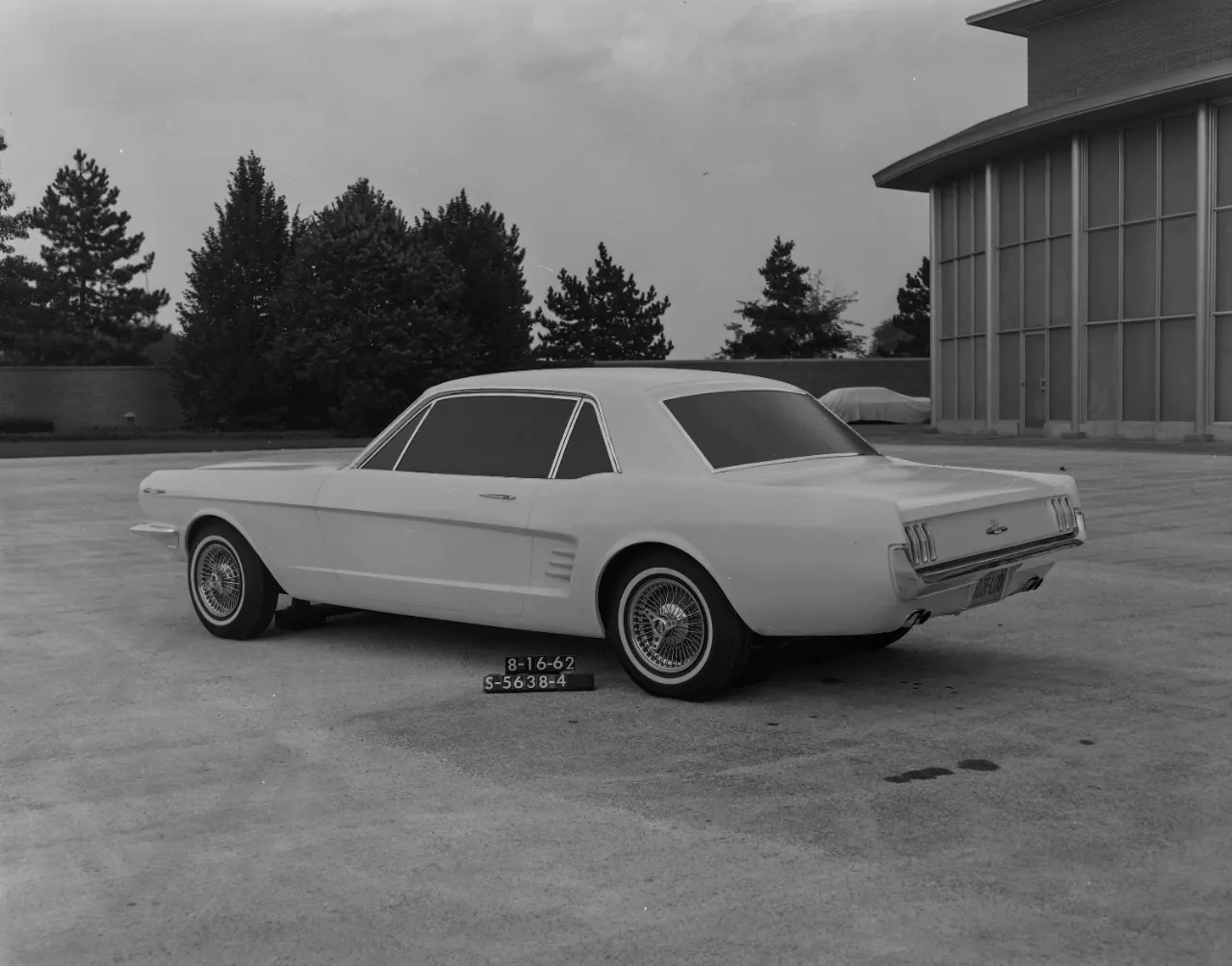
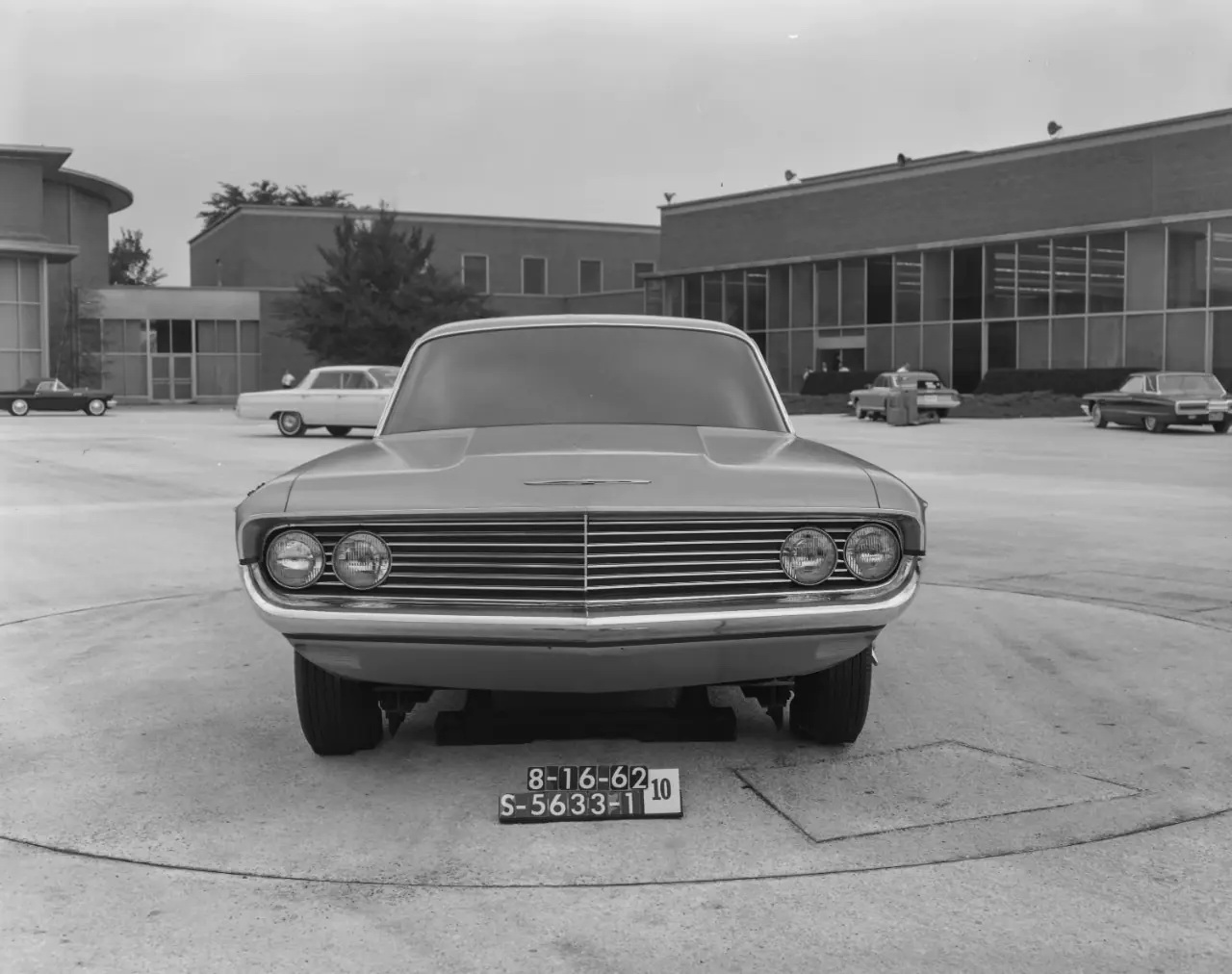

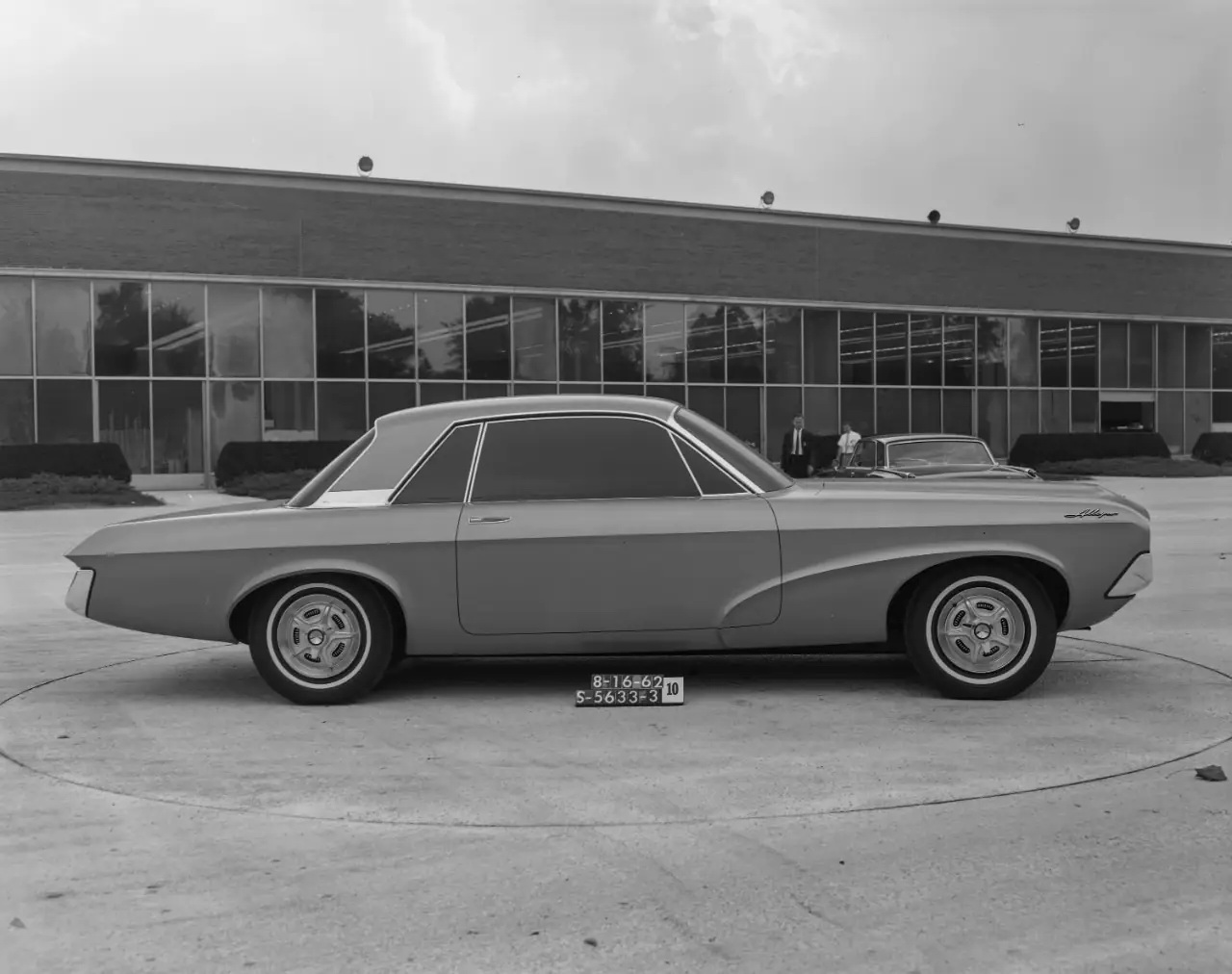
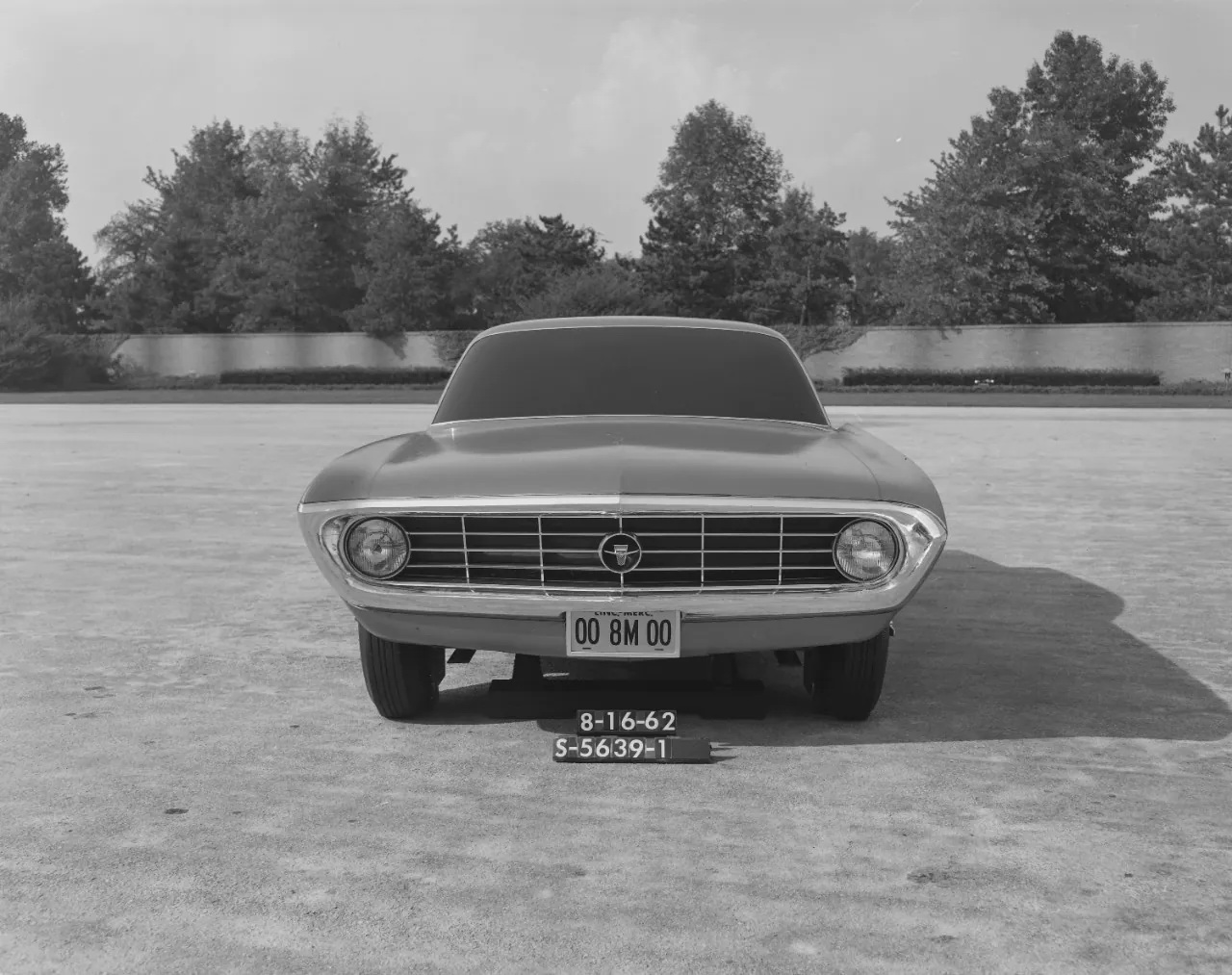

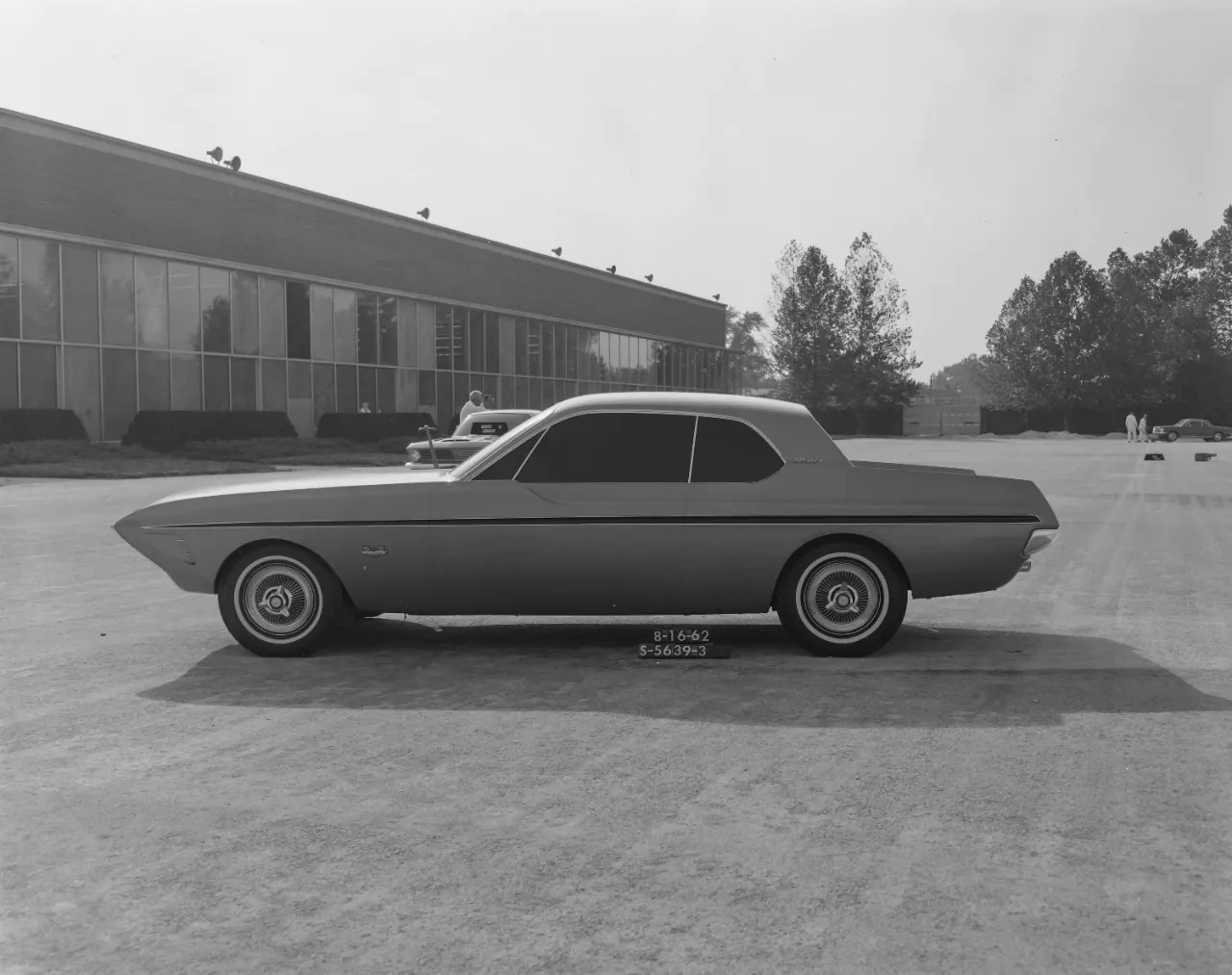
Would we still love the Mustang as much with these designs? Who knows. But we think they made the right choice at the time.
Would you have bought any of the other designs?
3. What’s different about the Next-Generation NASCAR Mustang?
While we won’t know exactly what the next-generation NASCAR Mustang looks like for a few more weeks, Mark Rushbrook, global director, Ford Performance Motorsports, has shared some details and, today Ford Performance released a teaser video shot from the cockpit during recent testing of the new car at Martinsville Speedway. The new stock car is expected to debut at the 2022 Daytona 500.
The current NASCAR Mustang debuted in the 2019 NASCAR Cup Series, replacing Fusion, and has posted 32 victories, including winning this year’s Daytona 500. The current sixth-generation stock car which has underpinned both Fusion and Mustang was introduced in 2013. Its successor was supposed to be introduced this season but has been delayed until 2022 due to the COVID-19 pandemic.
The new Mustang comes as Ford and other manufacturers, including Toyota and Chevrolet, have been pushing to make stock cars look more like their on-street counterparts. Not only will the new race car more closely resemble a Mustang in the dealership, it will drive like one, too. It will switch to an independent rear suspension, as well as rack-and-pinion steering, while the body proportions and the aspect ratio of the wheels will change.
“This is a big improvement, in that these cars will look much closer to the road cars we sell in the showroom and that was important for us,” said Rushbrook. “We have cars that will look really good and I think we will see great racing come out of that as well. That is what the sport is all about – putting on great races for the fans and our customers.”
The Ford Design Center has been actively involved with Ford Performance in the exterior bodywork of the car, ensuring it picks up the design cues of production Mustangs.

The race car will initially operate with an internal combustion engine only, but its architecture allows for the addition of an electric motor that will enable teams to run with a hybrid powertrain. That flexibility will allow Ford’s testing of on-track vehicles to keep pace with its testing for hybrid production vehicles, explained Rushbrook. Research into hybrids comes in addition to other areas of motorsports that already benefit Ford and Lincoln production vehicles, such as the use of engineering processes, and analytical and aerodynamic tools. The Ford Performance Technical Center in North Carolina does extensive development work for both racing and production vehicles.
Ford’s powertrain team has been working with NASCAR on the car’s development, while drivers from Ford teams have also been able to test the car in the two high-precision, full-motion vehicle racing simulators at the Ford Performance Technical Center. Simulation models have also revealed data about the new car’s aerodynamic performance.
Sources: including – Ford Online
WebShop
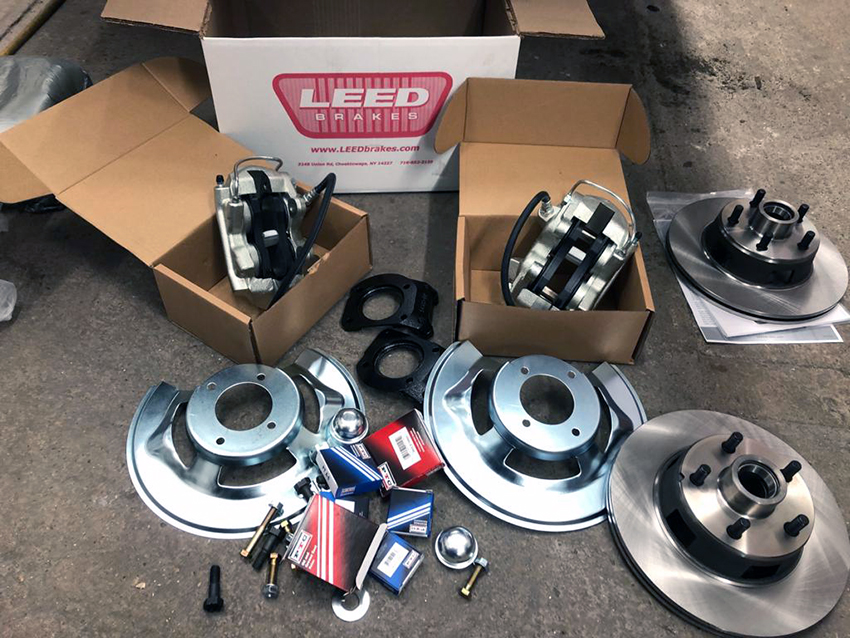
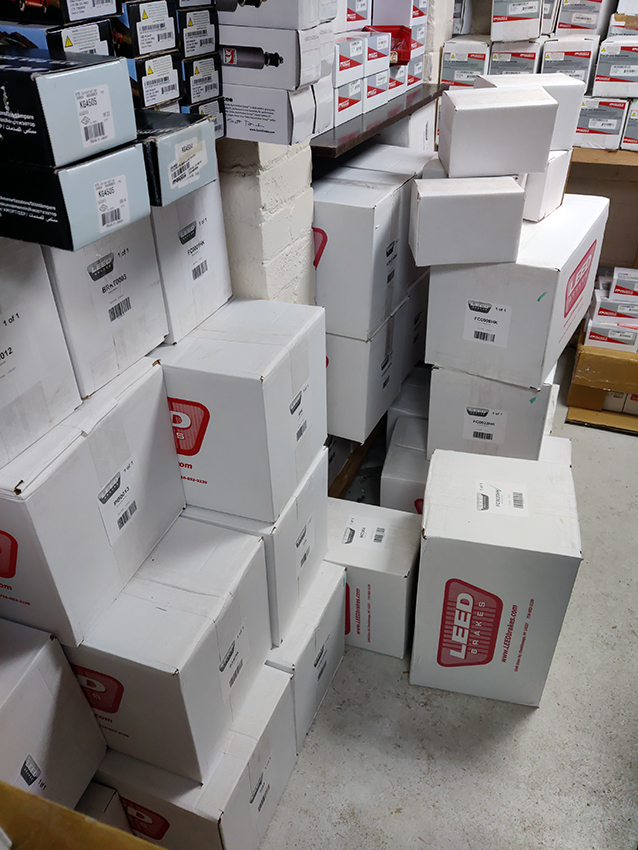
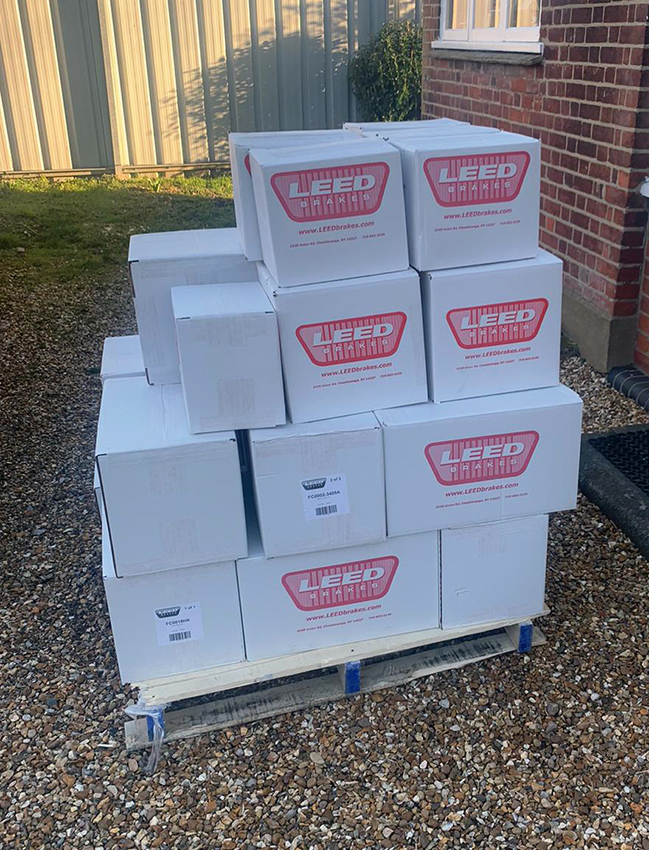
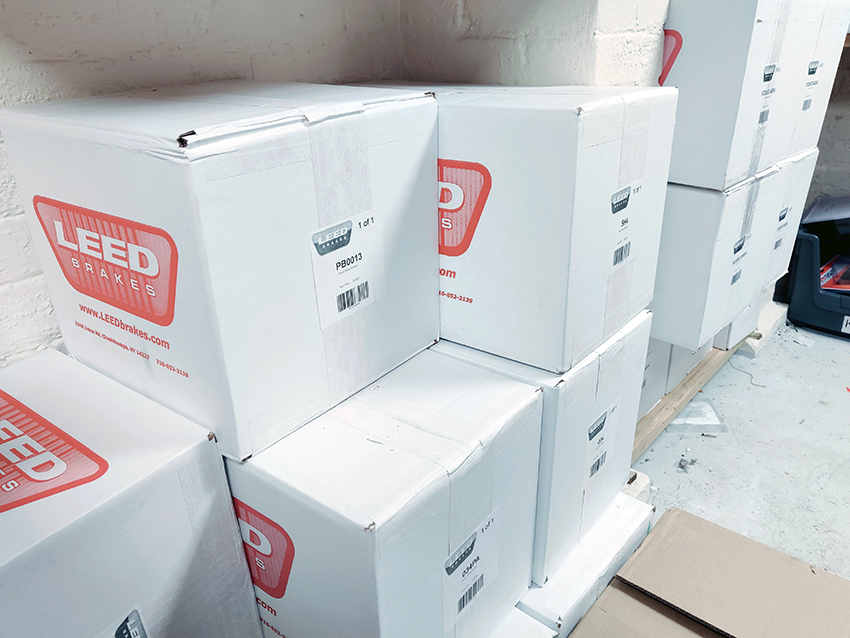
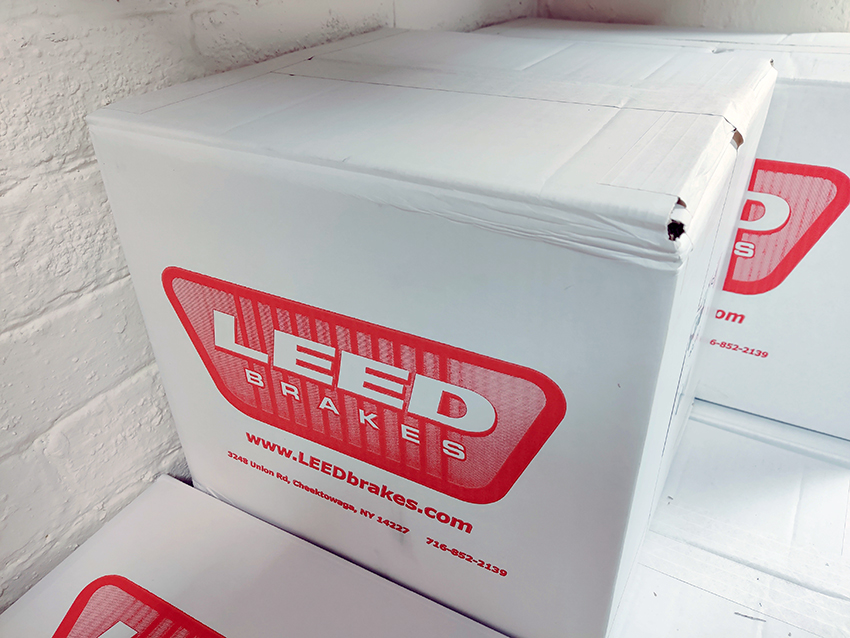
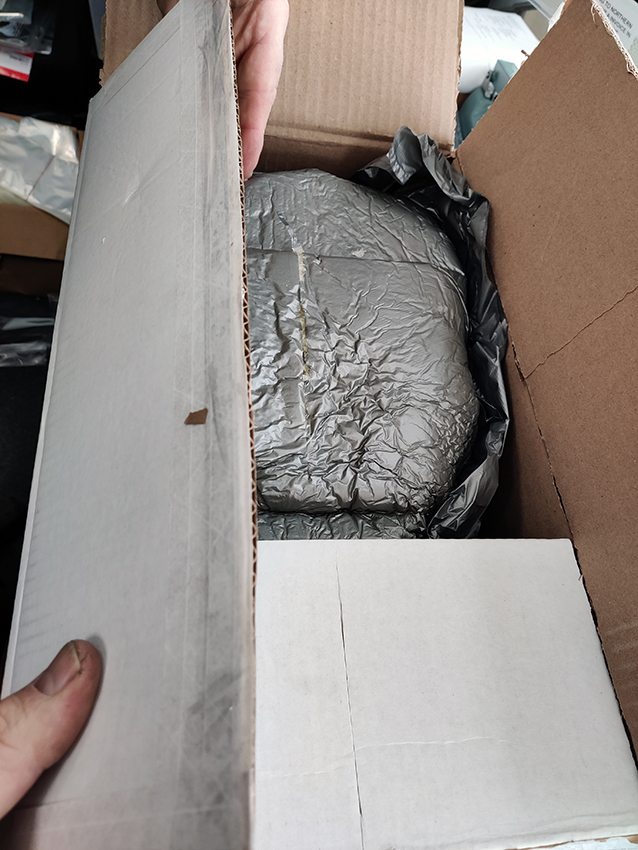
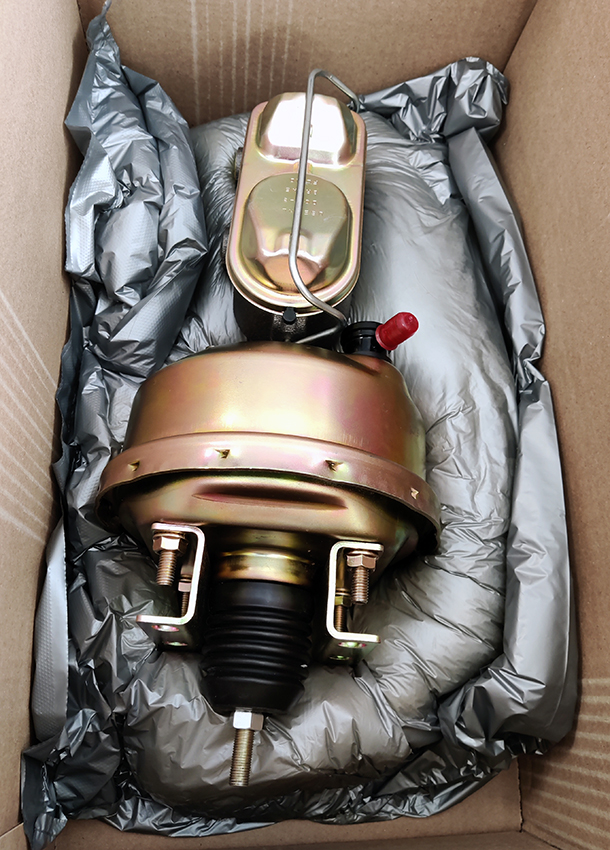
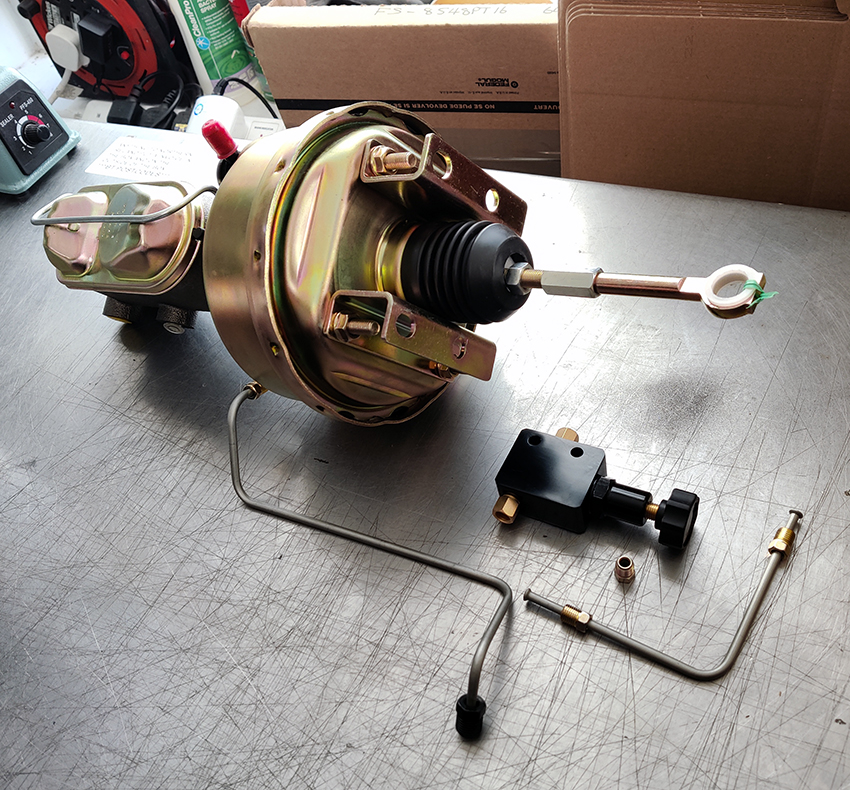
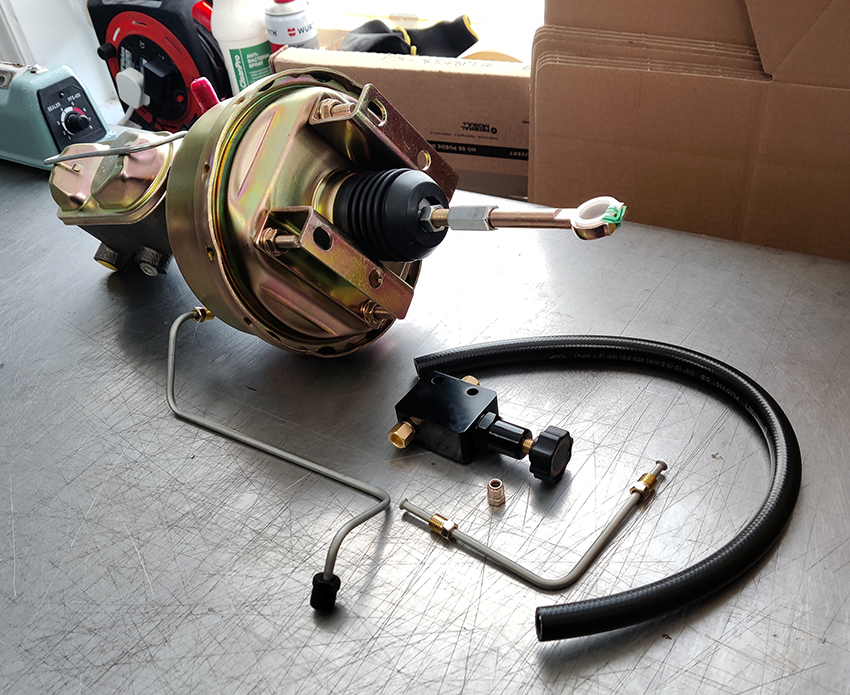
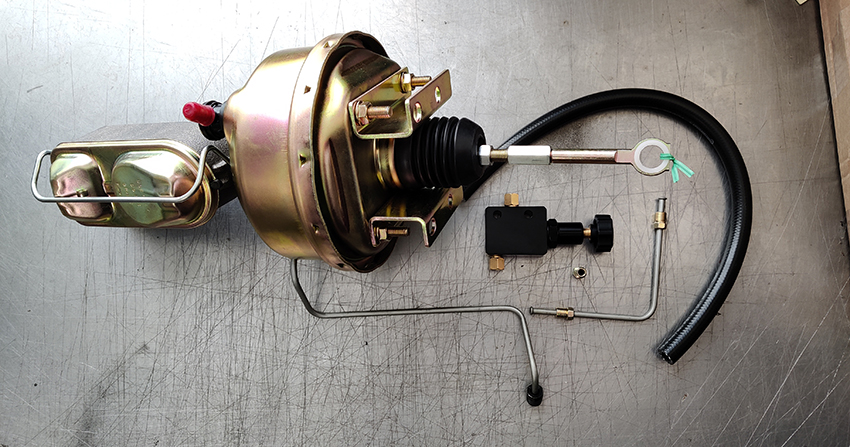
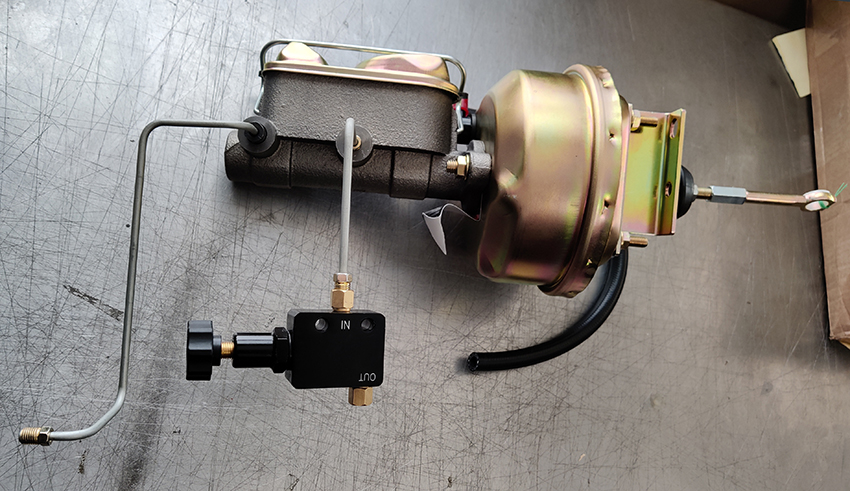
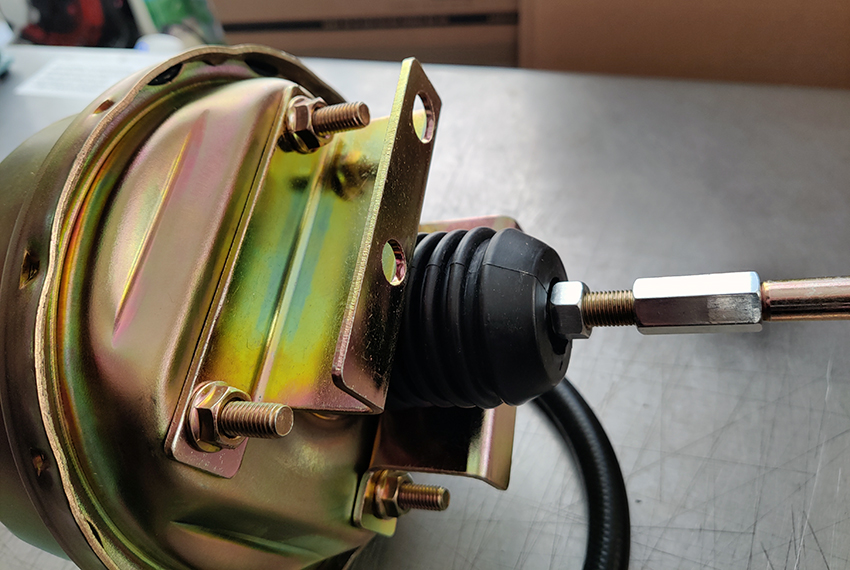
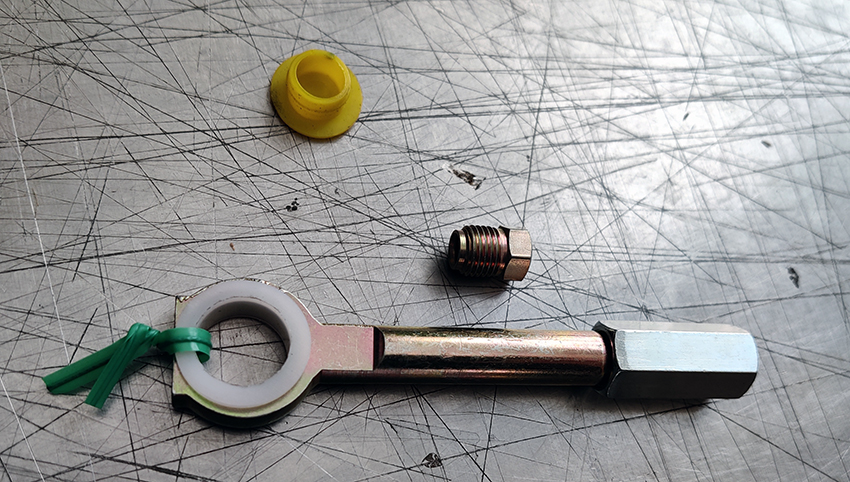
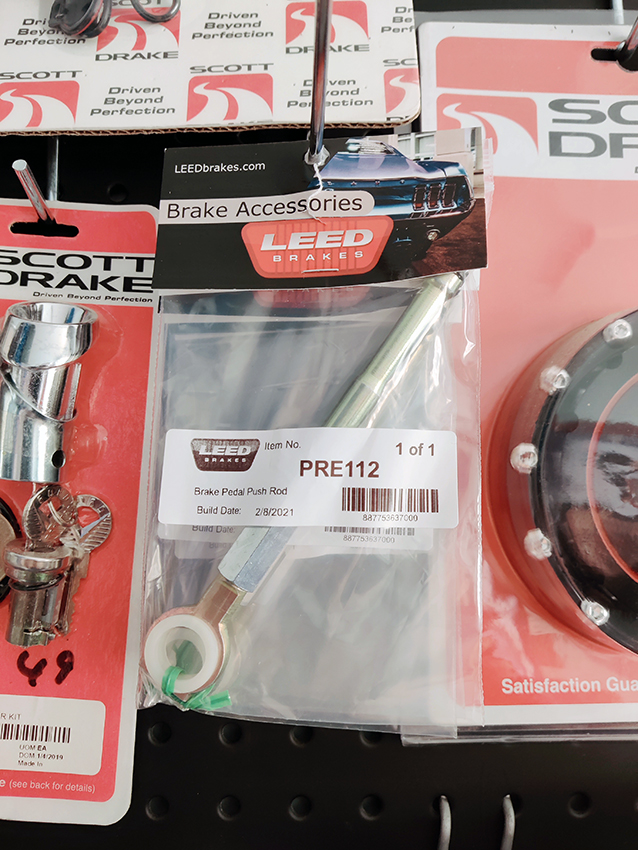
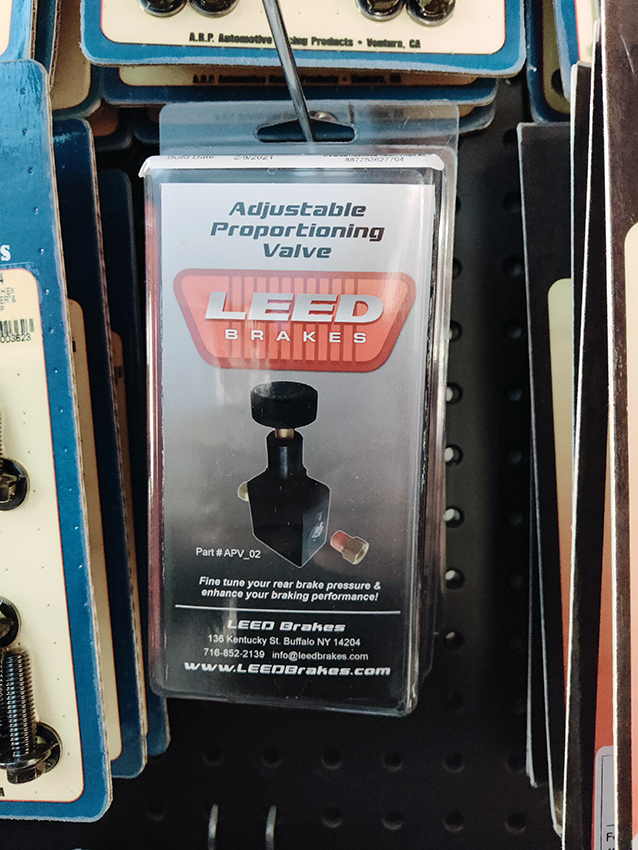
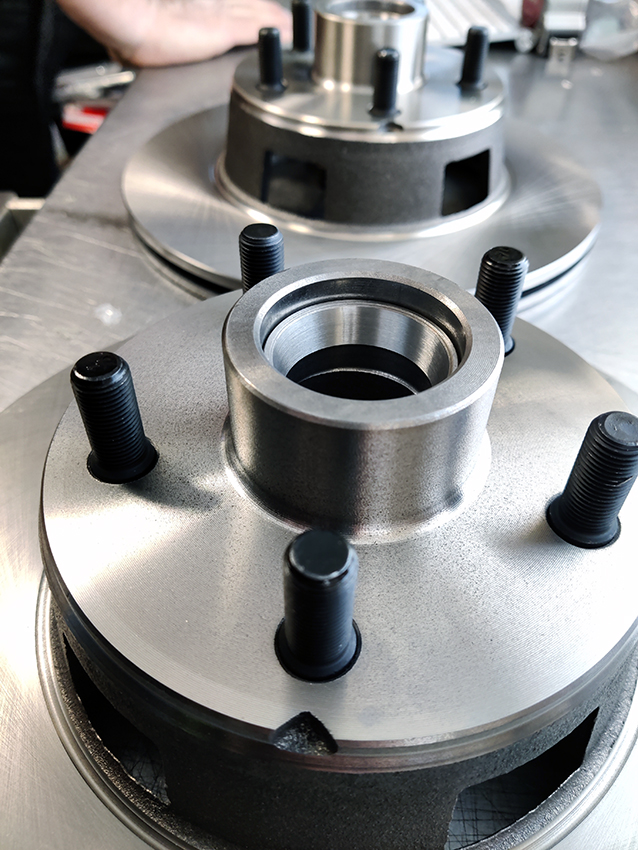
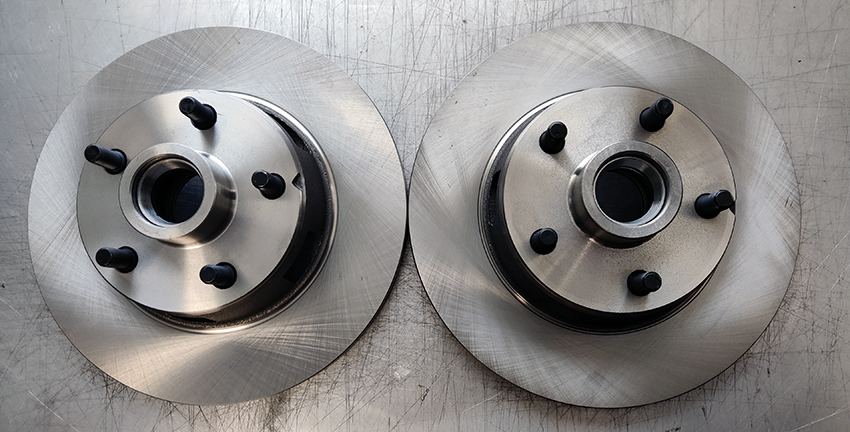
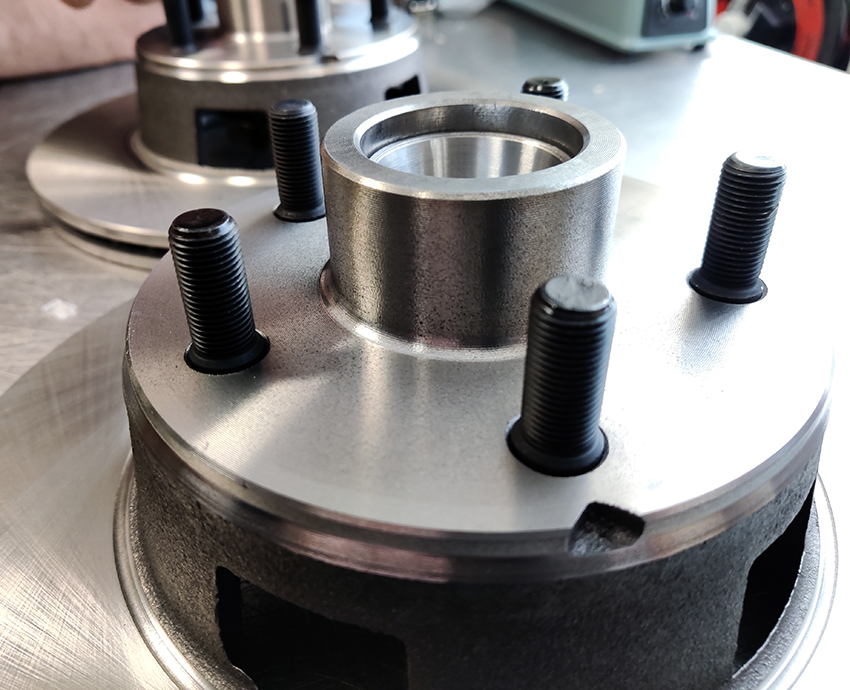
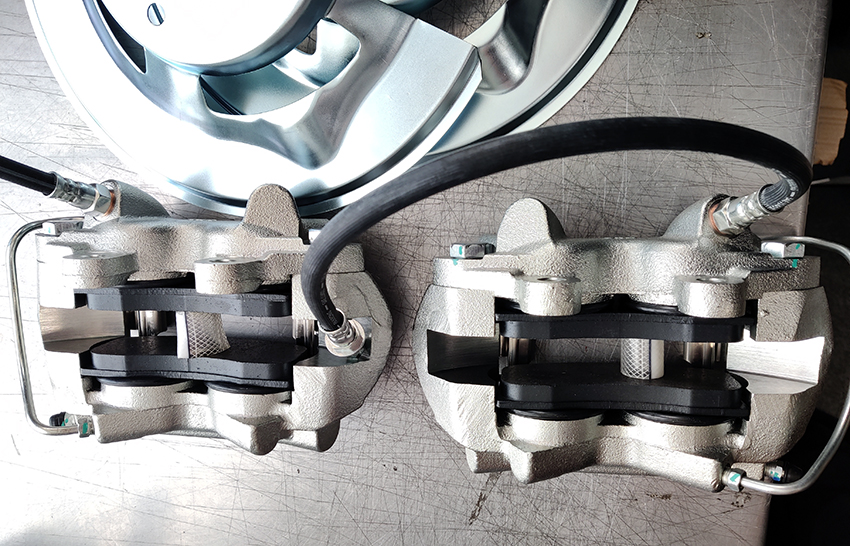
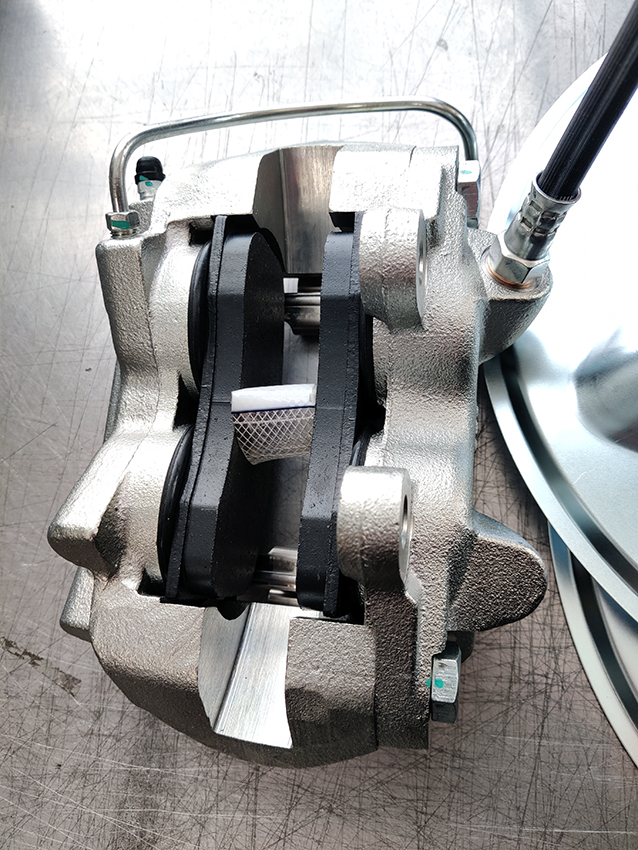
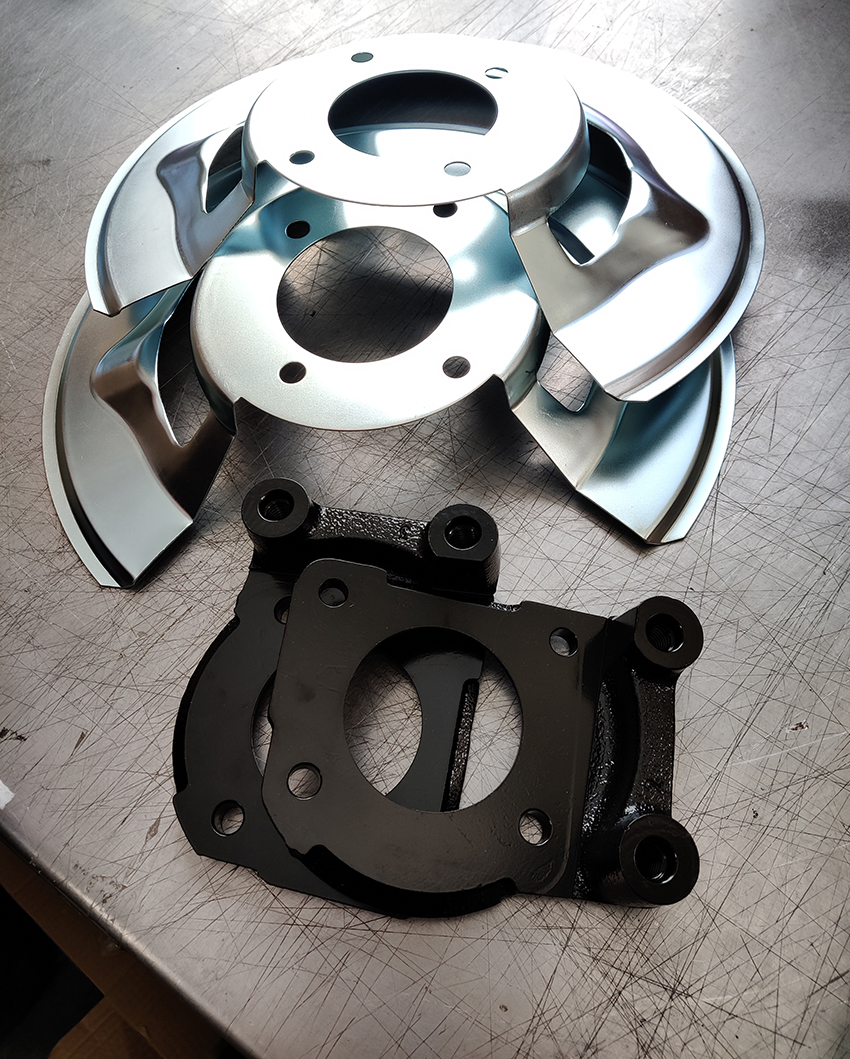
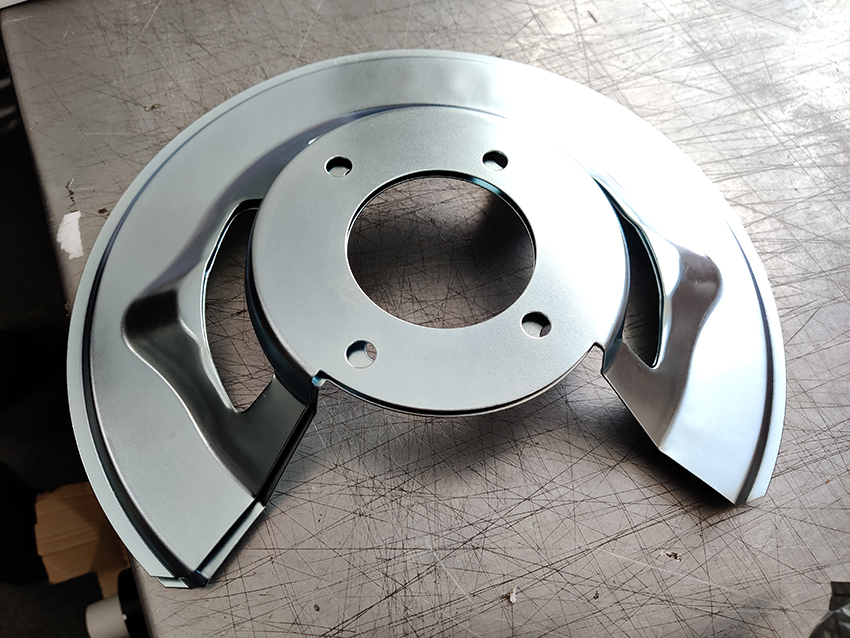
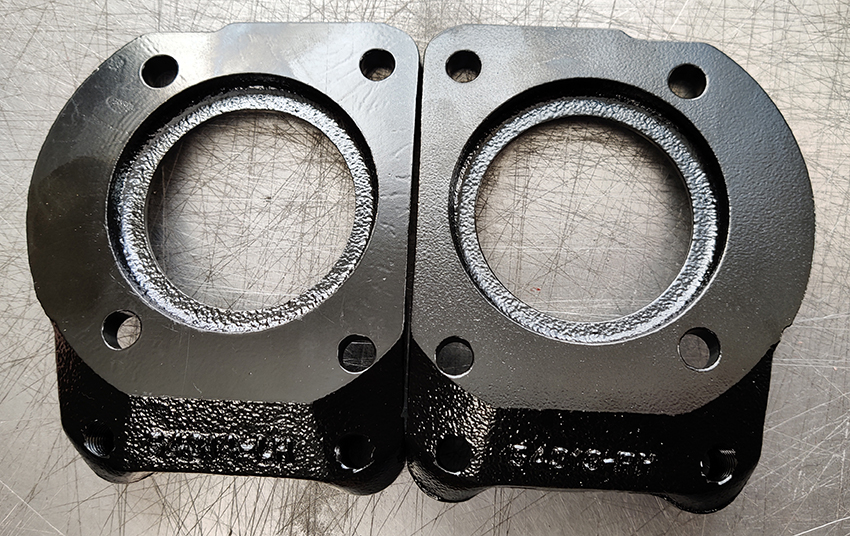
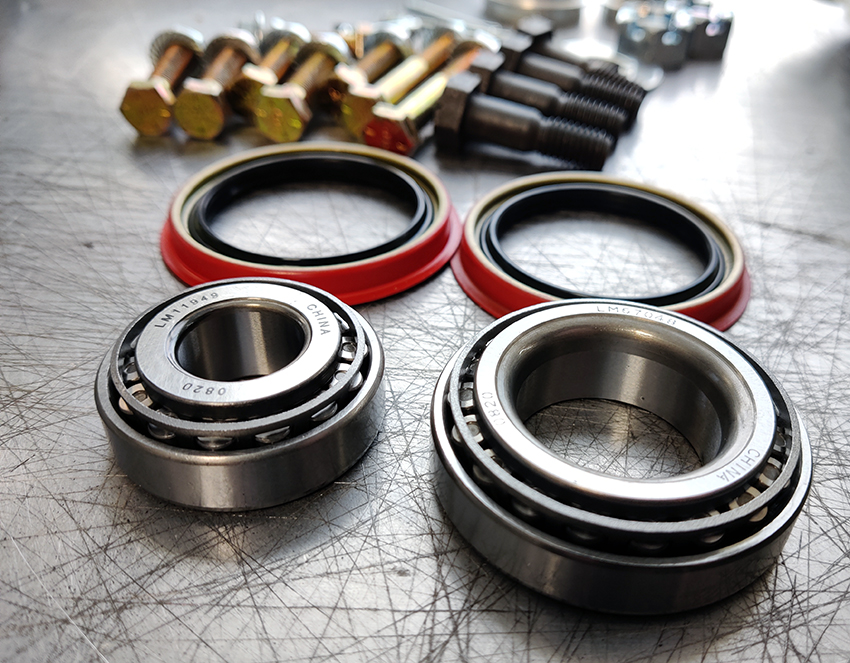
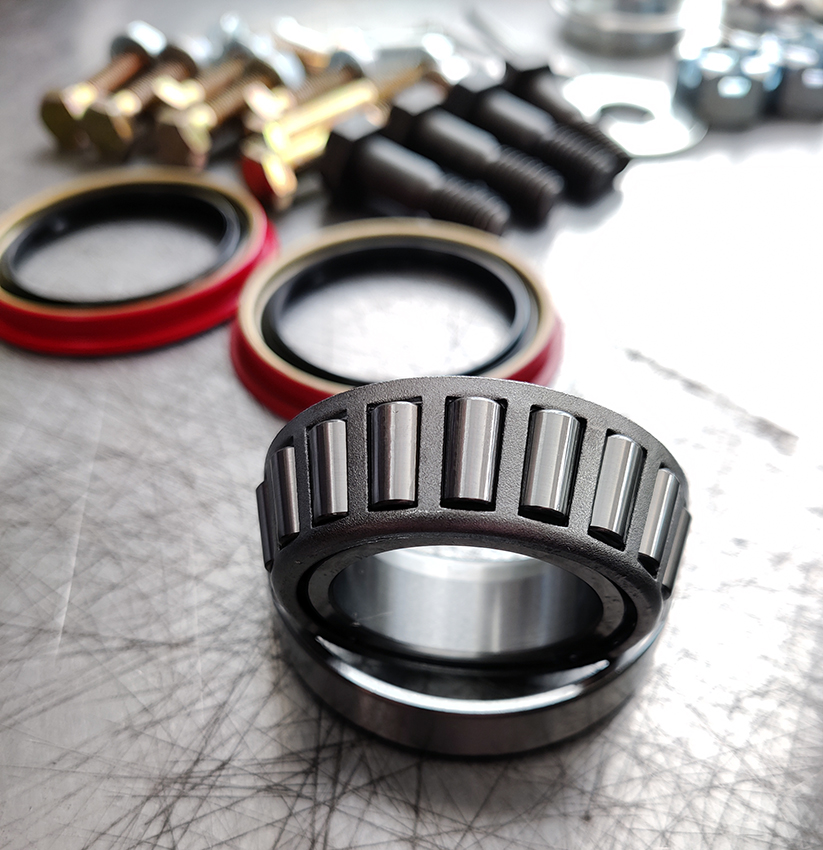
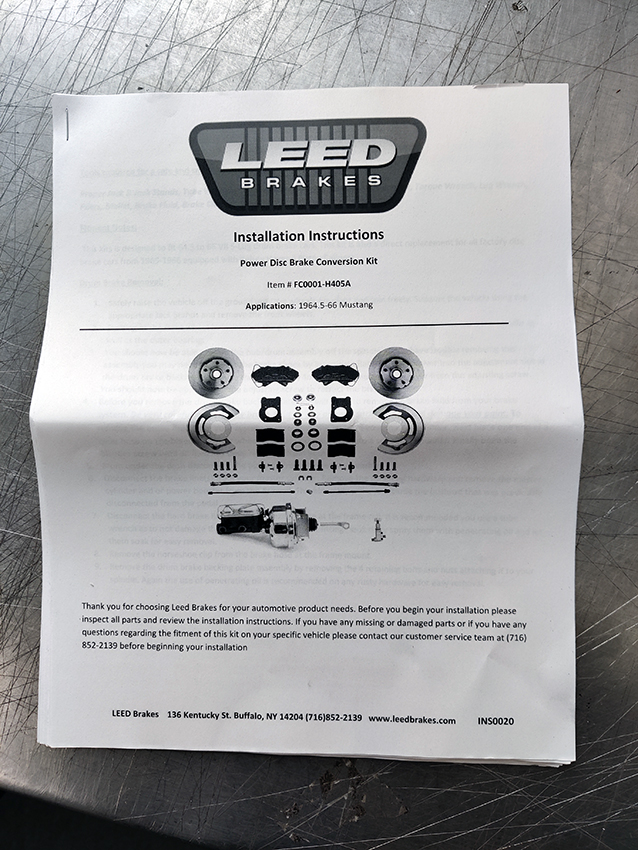
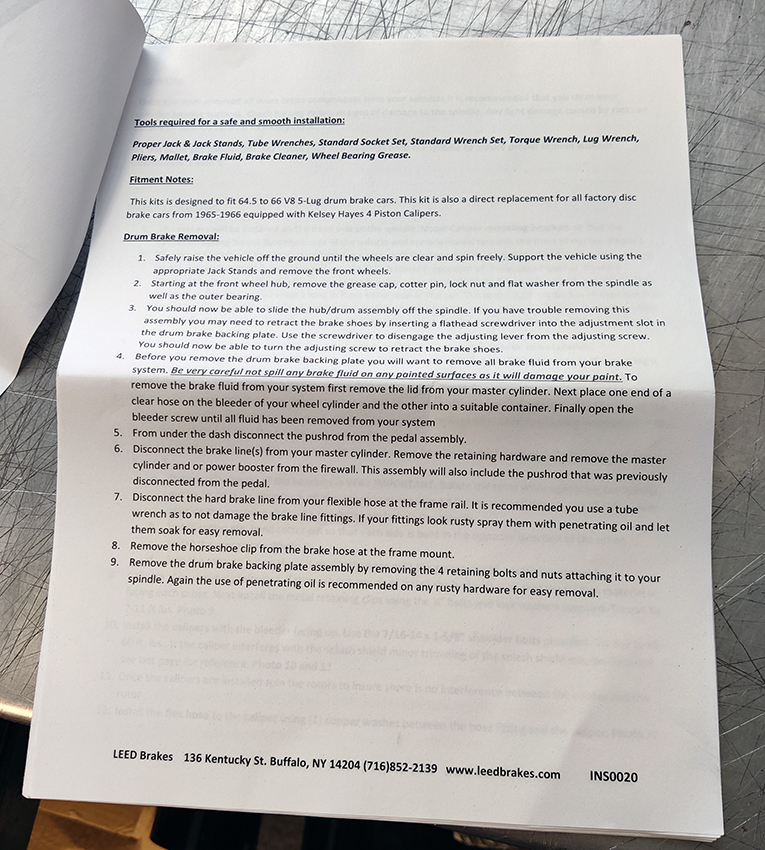
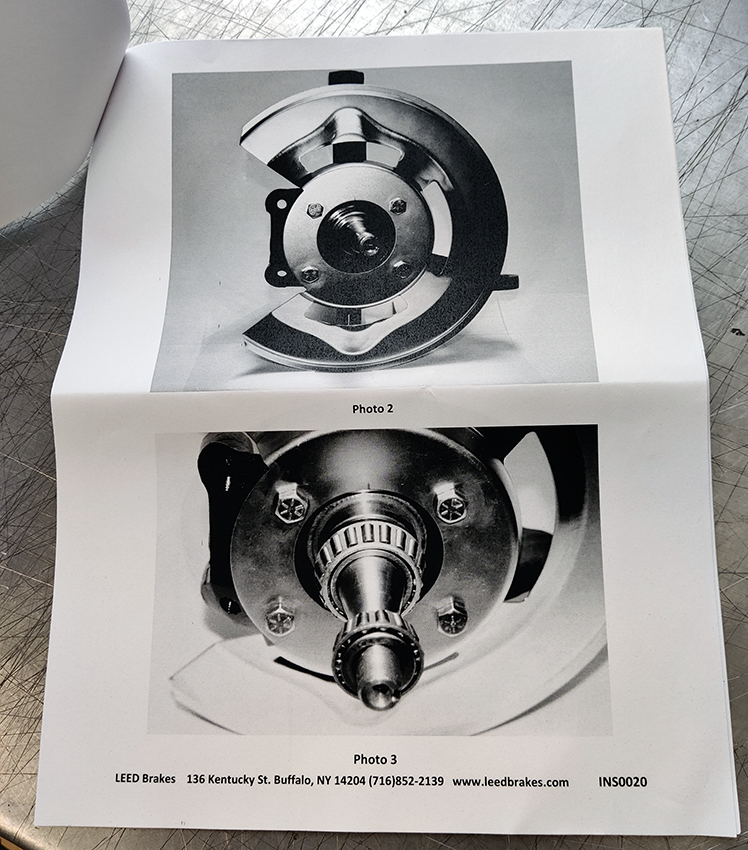
We have had another shipment of Leed Brakes delivered to us this week. How much did it all weigh in at? One and half tons!
We have been getting some very positive comments via email about the fitting of the brakes being a straight forward bolt on with no alterations. Now that can’t be bad from the Weekend Warriors or the Saturday Spanner Service Guys.
We have had a little change of the posting day being today rather than on a Sunday. After all it’s the Mustang’s Official Birthday – so we had to celebrate it today.





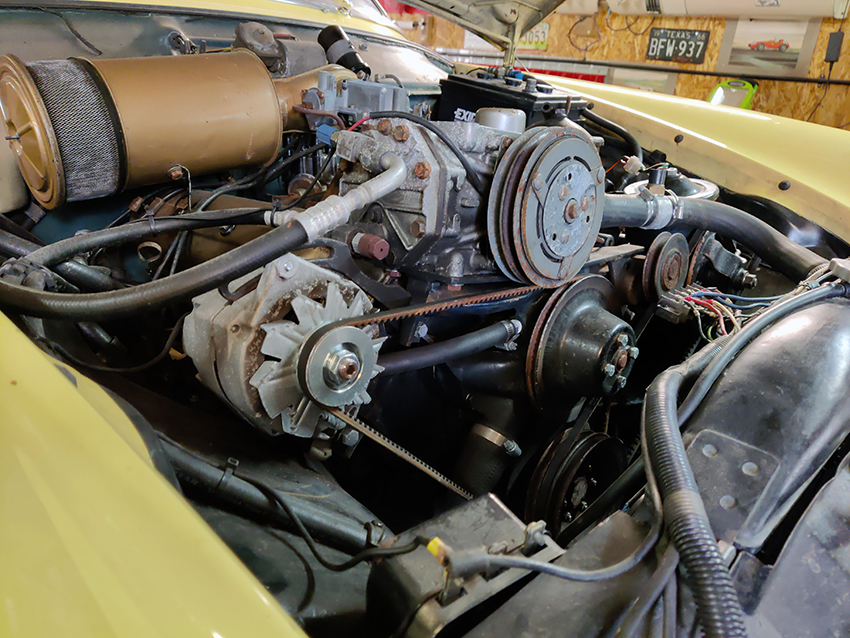

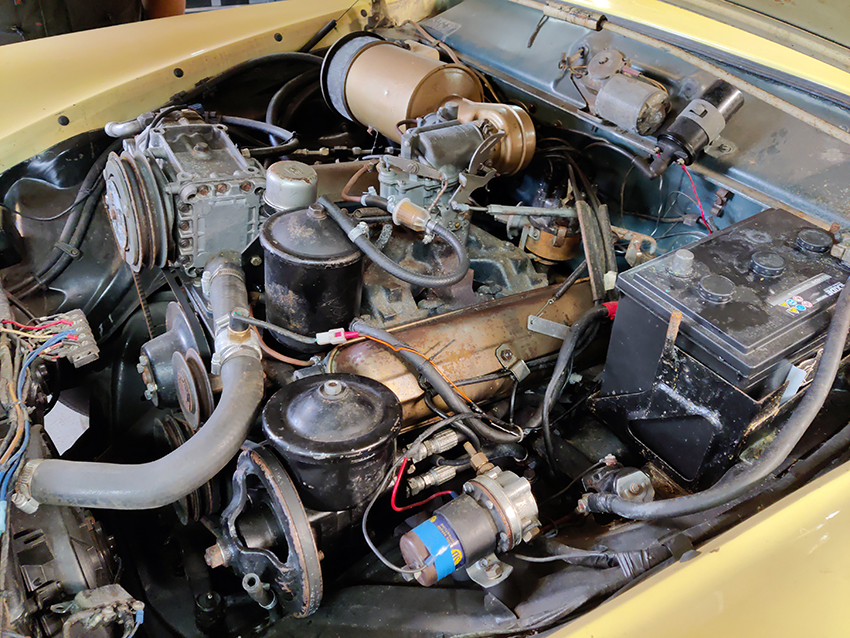
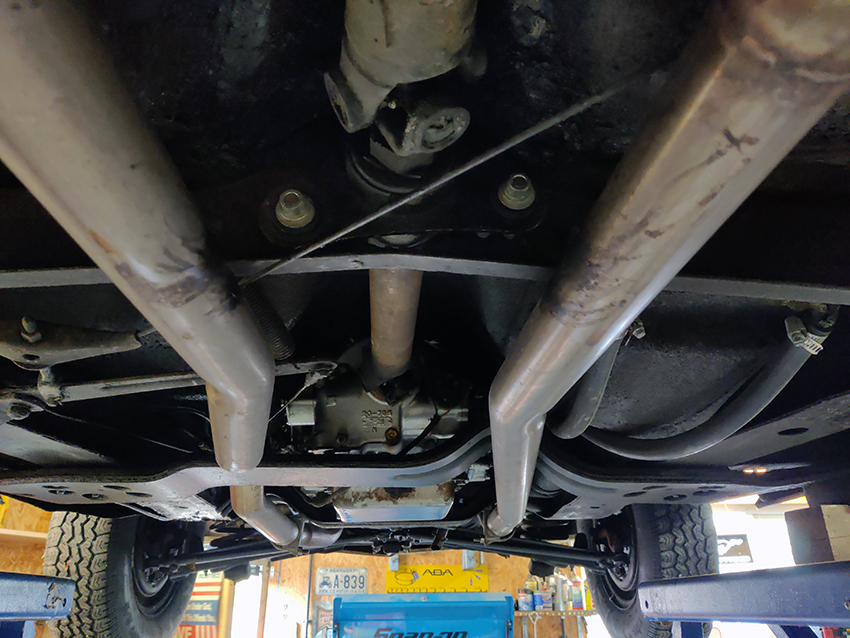
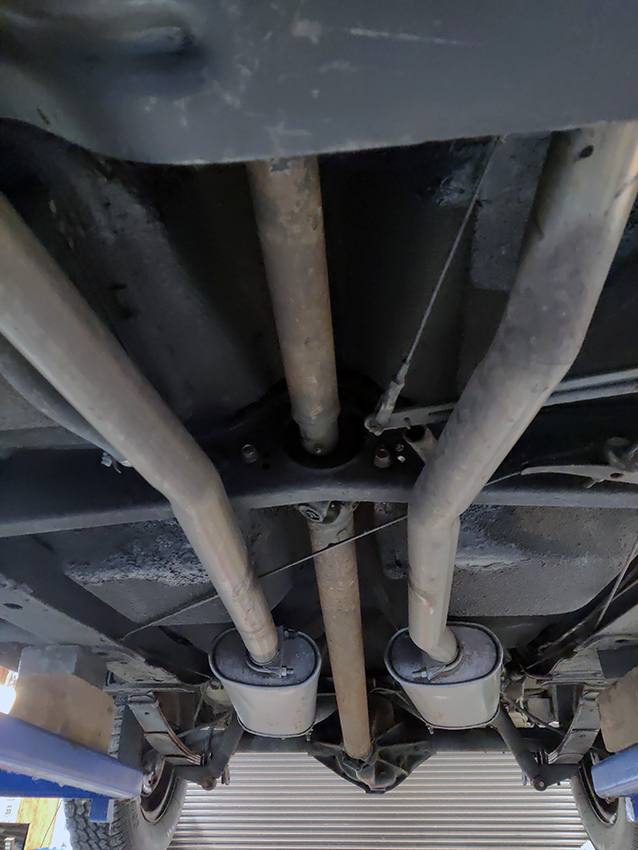











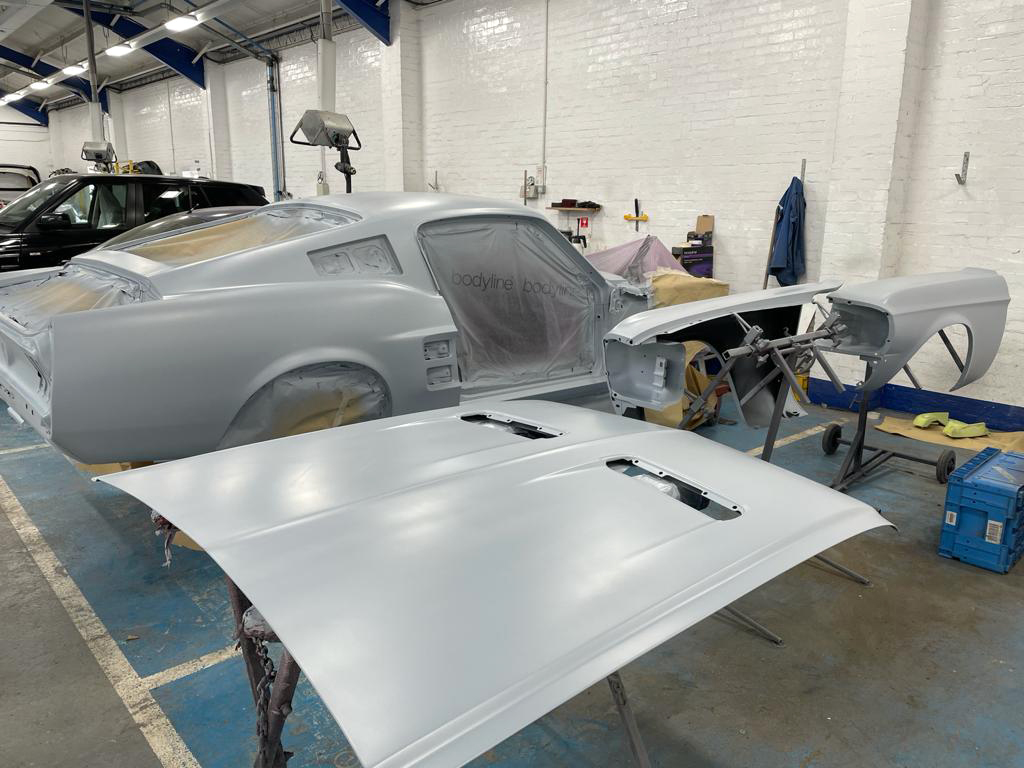
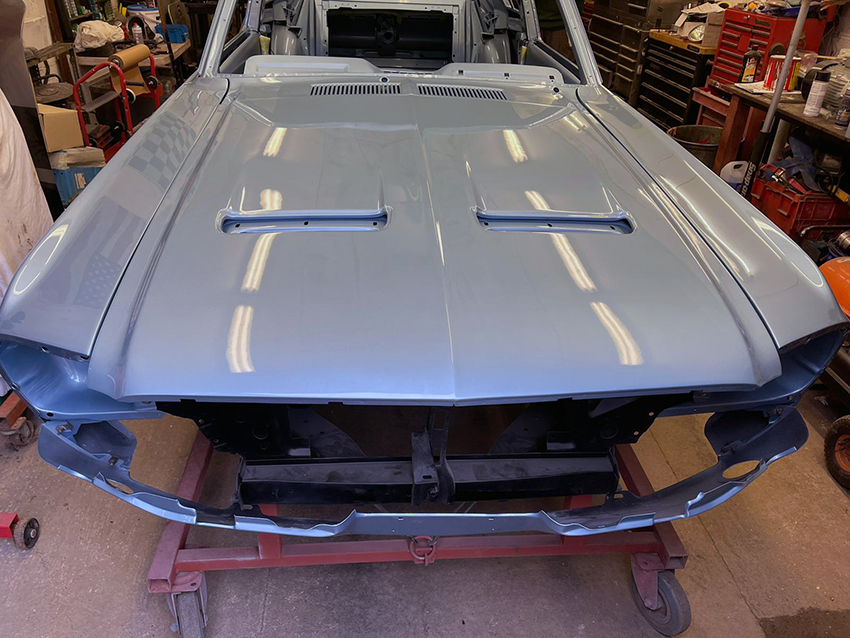
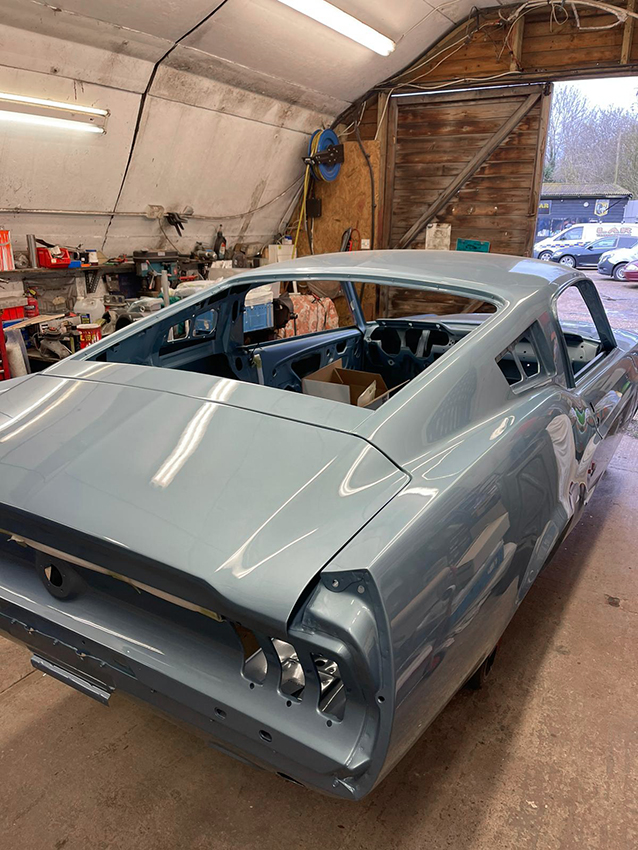
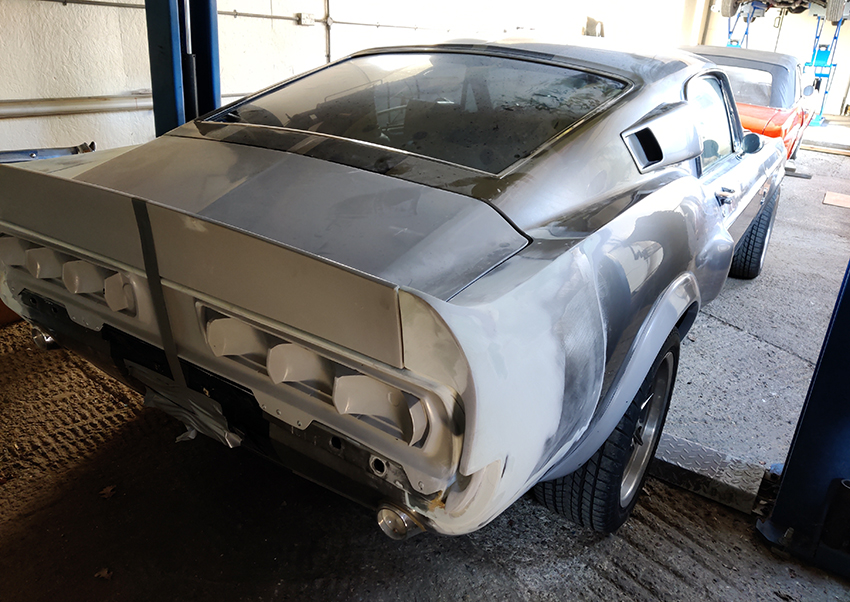

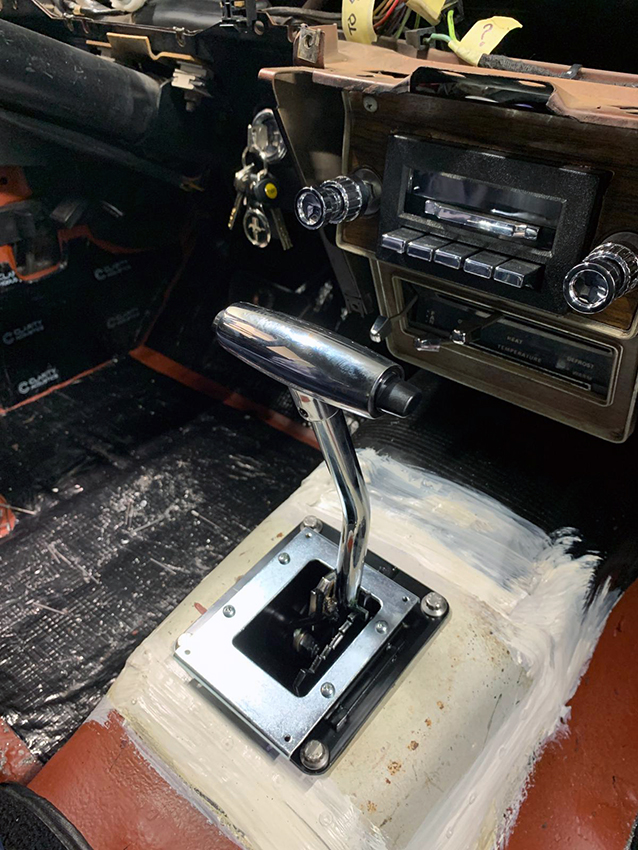

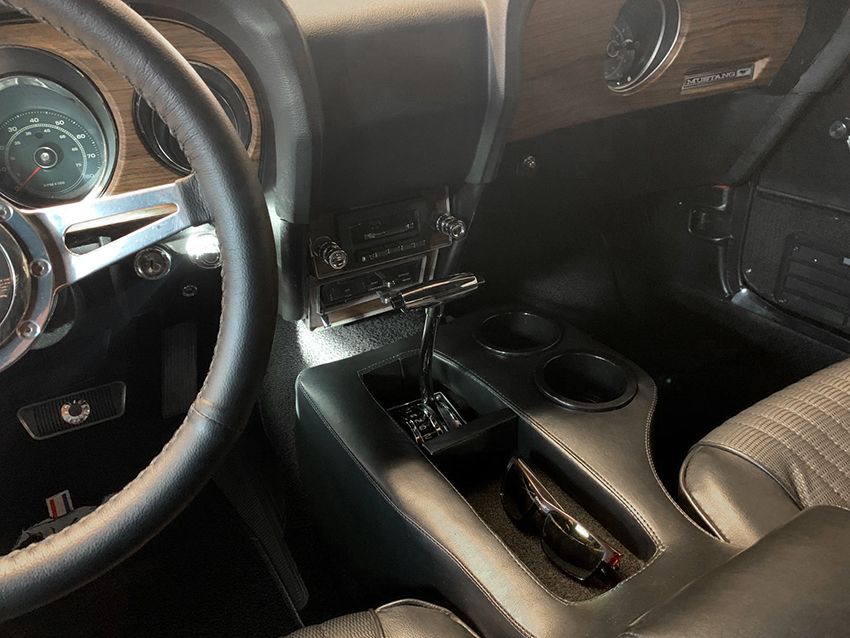
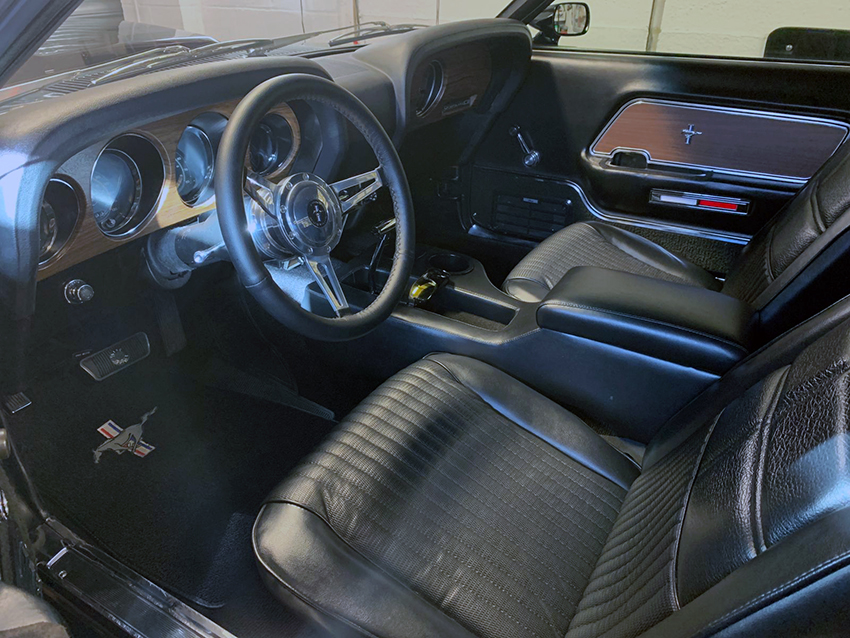


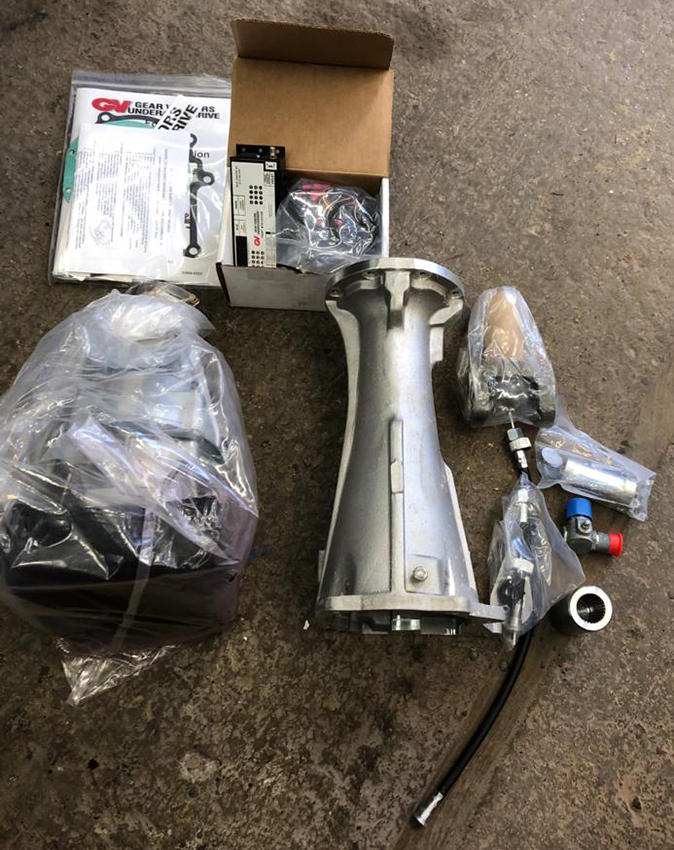























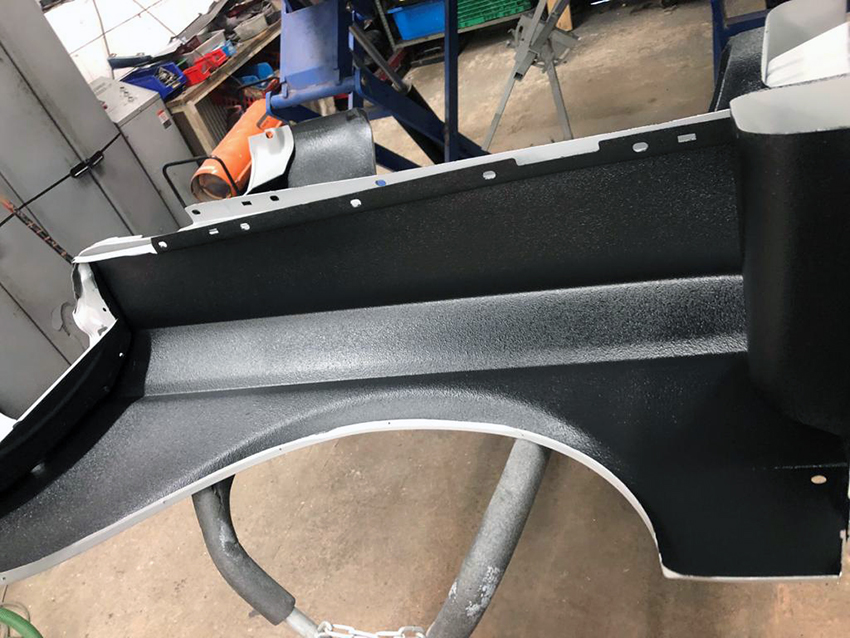
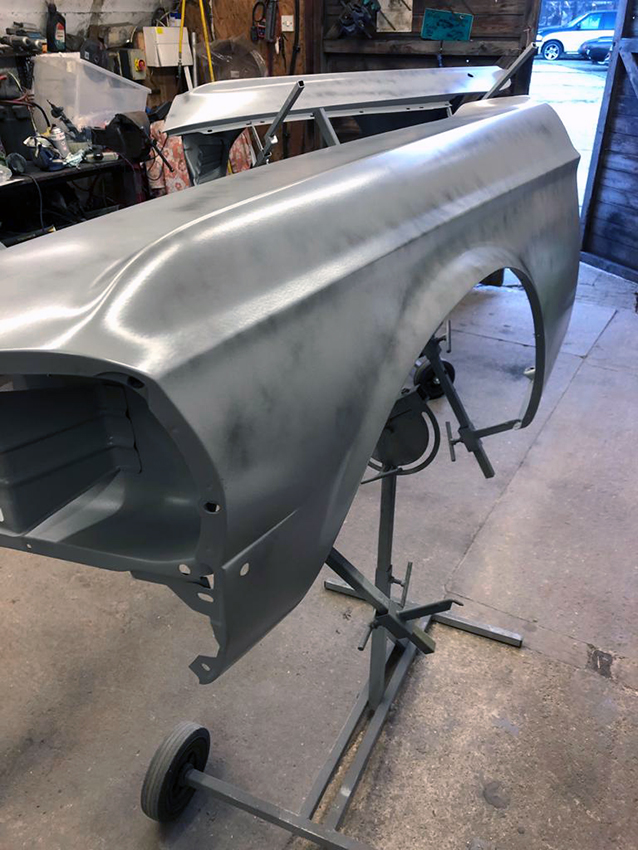


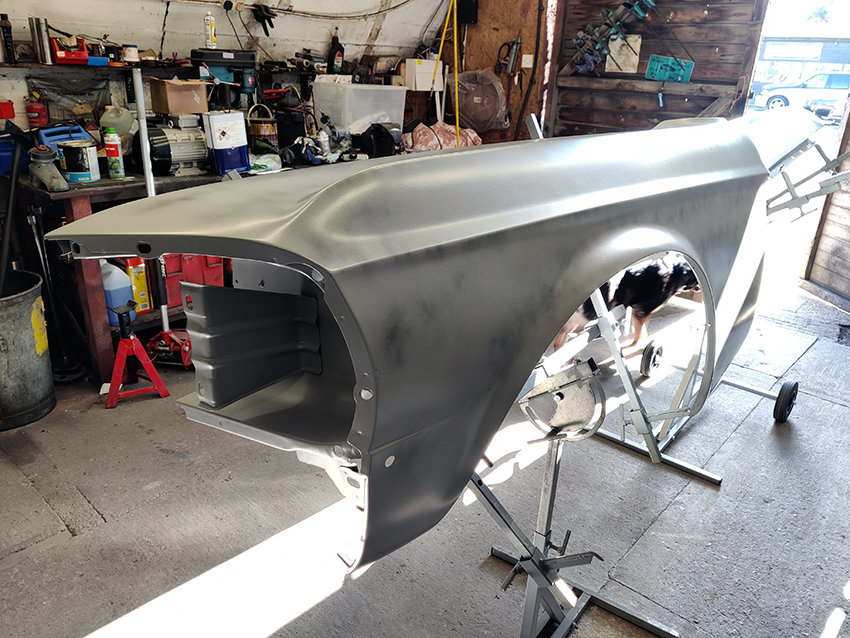


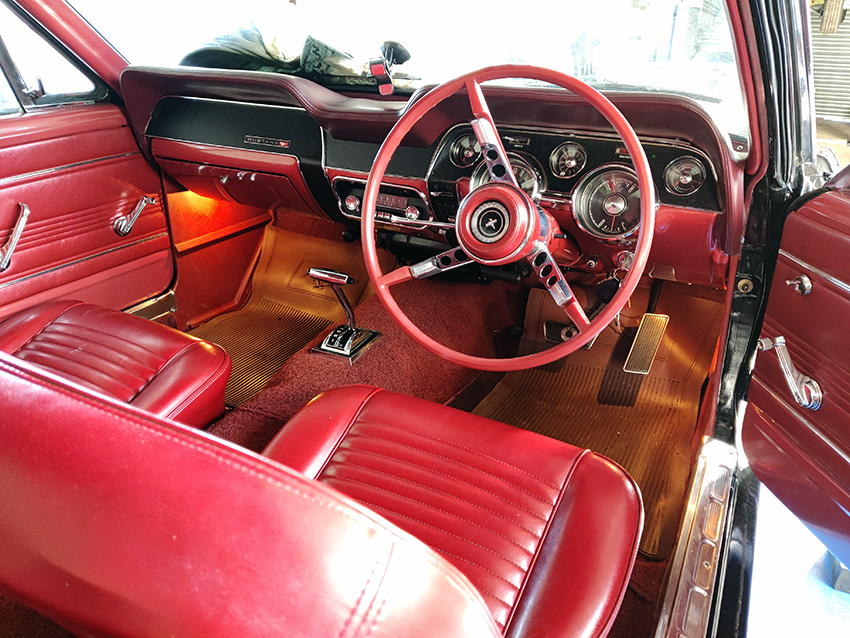


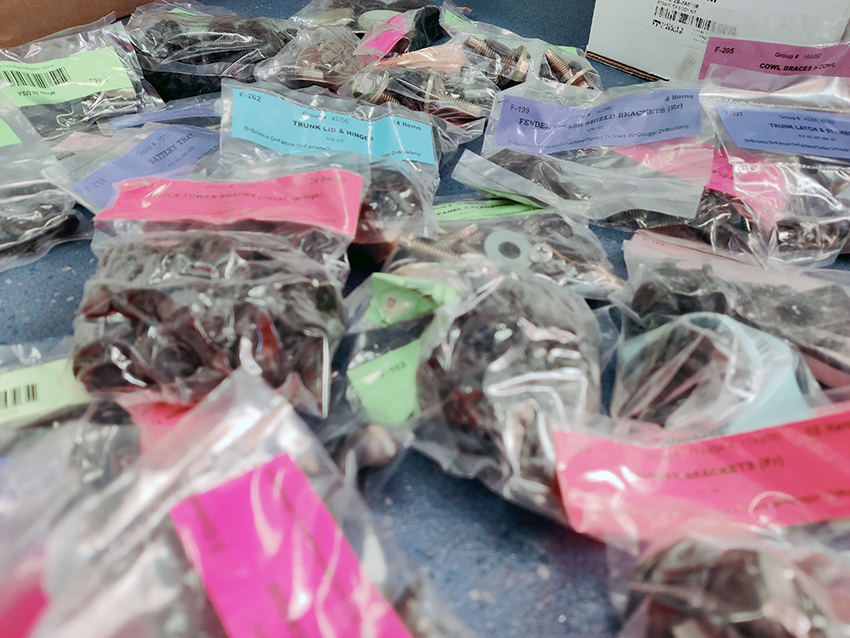



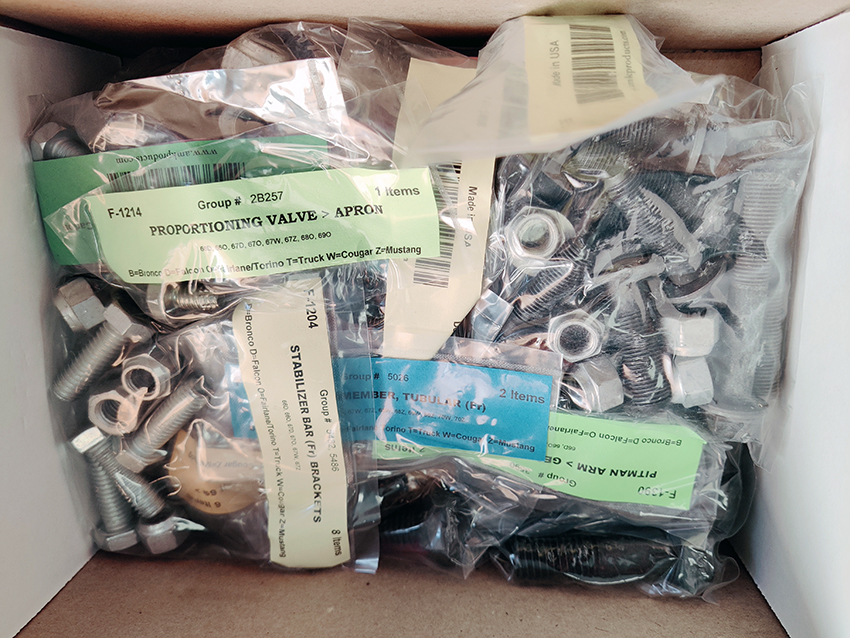

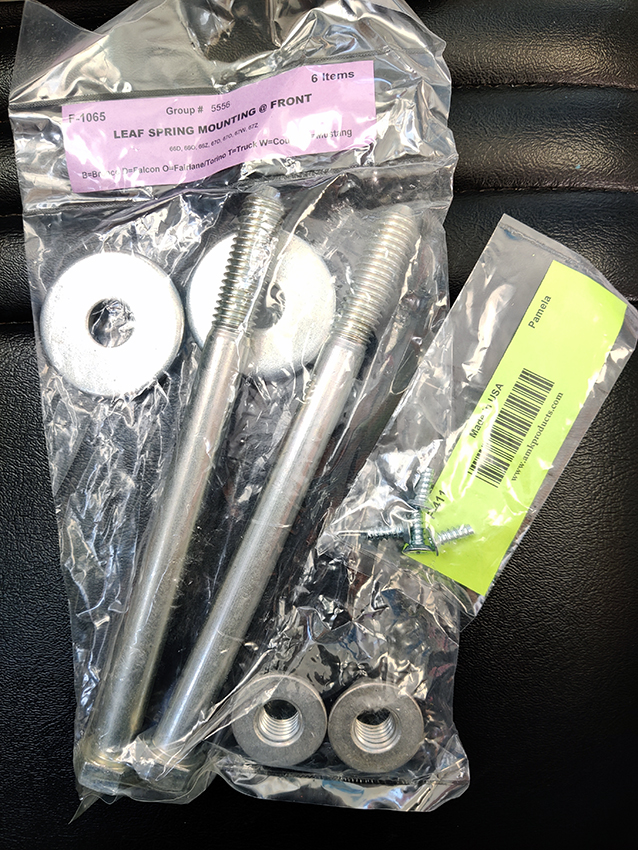






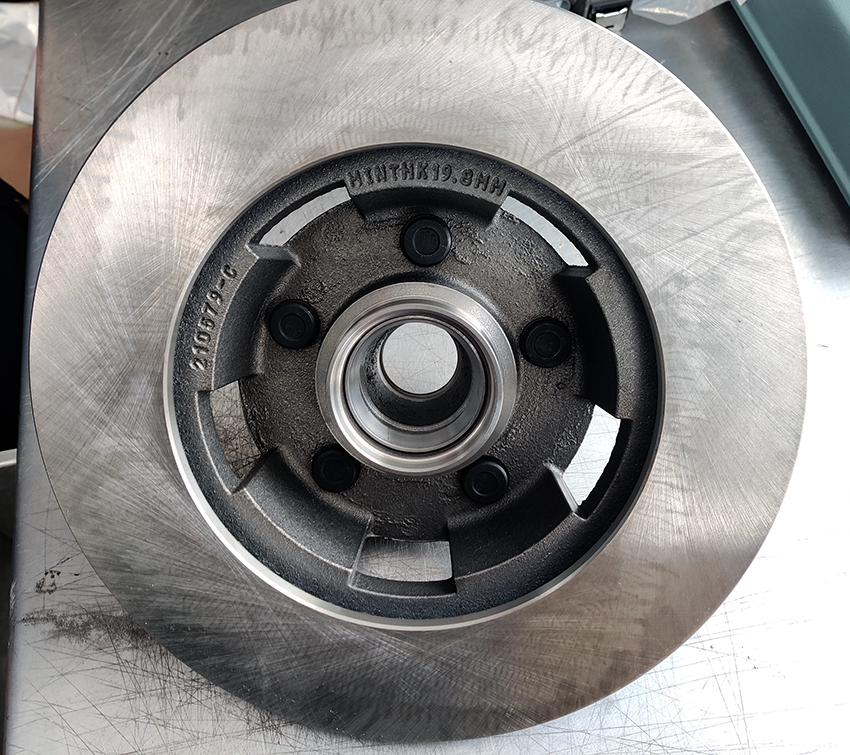
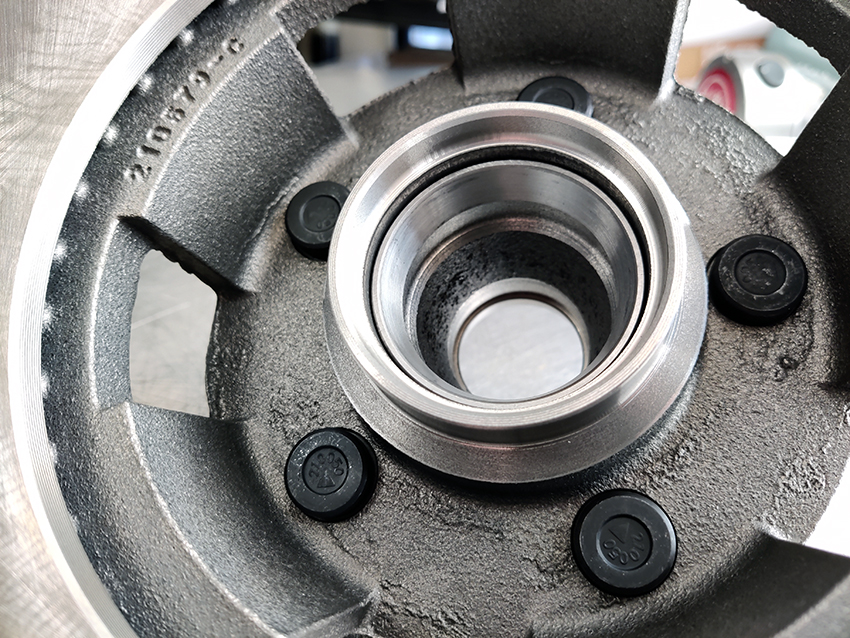
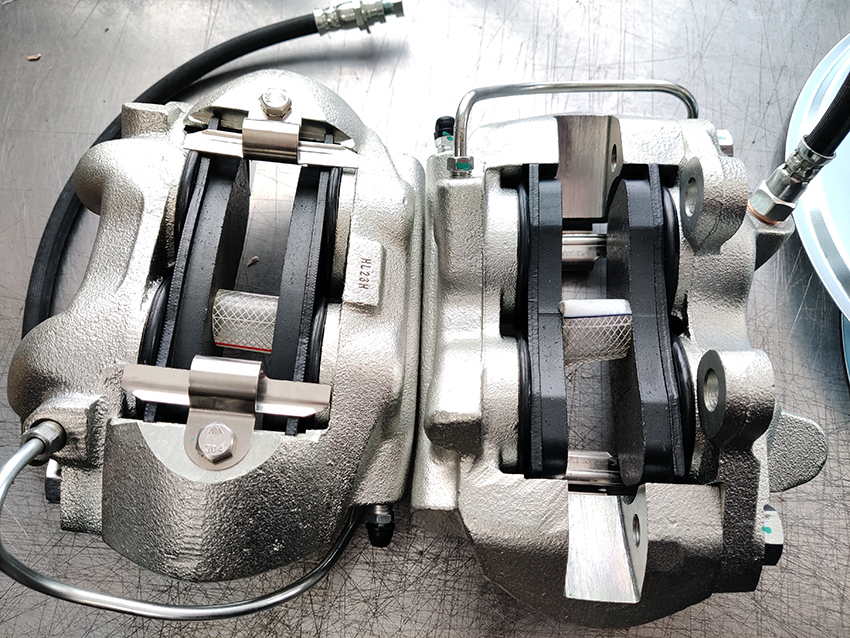
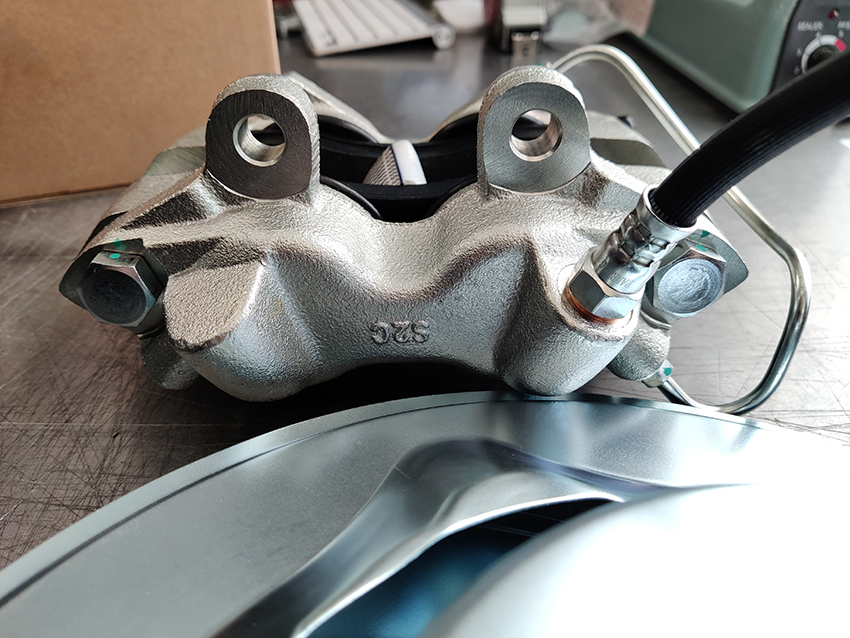












Stop Right There
We start this post with the extremely sad news that one of the Motorsports broadcasting legends Murray Walker OBE, has passed away yesterday 13th March 2021 at the age of 97.
Murray was born 10th October 1923 and is of Scottish decent. He has been the staple motor sports commentator for every petrol head from the 70’s onwards. He left the army after the second World War and had successful but brief career in advertising. His voice was first heard in the early 60’s where he commentated on motor bikes with his father until 1962 where his father passed away. They were the only father and son commentary team at the time. He became the chief motor cycling commentator shortly after, then he progressed to rally cross in the 70’s and then British Touring Car Championships in the 70’s & 80’s. 1978 he became a full time BBC commentator for Formula 1 as well as any other motor sports events which were offered to him. He teamed up with (the late) James Hunt, a Formula 1 world champion from 1976 where they became a firm favourite with the fans the world over. He retired in 2001 but still remained a in the public eye with guest appearances and the occasional fill in commentary.
Hi flamboyant style of commentary was legendary with speaking at a fast pace keeping up with the action on track along with his unique animated enthusiasm. He was also know for his many “Murrayisms” (see the list below), when he got so excited and got the odd thing wrong now and again. Nobody minded and it was part of the fun which made motorsport an enjoyment to watch. He would remain standing during the races to keep him on his toes in more ways than one.
Some of those legendary ‘Murrayisms’:
He had many many friends up and down the pit lane with team bosses, drivers like; James Hunt, Damon Hill, Martin Brundle (who he later teamed with for commentary when James Hunt died), Michael Schumacher, Sir Stirling Moss, Jackie Steward, David Coultard and many many other high profile names. His respect was often noted with other media teams around the world, often being a guest of honour at events when he retired or at the talks about his life that he gave.
Perhaps his most famous long term friendship was with Nigel Mansell 1992 F! World Champion who would often been seen together, being professional sometimes for interviews. 😉
One of the most famous moments was when Nigel Mansell won the 1987 F1 Austrian Grand Prix. While standing on the parade truck he banged his head on a low bridge. A large egg sized bump appeared on his forehead. Murray had a now famous interview with Nigel;
“Nigel first of all could you carefully and slowly take your hat off. You’ve got an enormous bump on your head, can you let us see it? Right up there, ooh I’m sorry!”
It was at that point that Murray accidently poked Nigel’s head where the large bump was. Nigel was in pain and didn’t know whether to laugh or cry.
R.I.P. Murray Walker, you will be missed.
Customer Cars
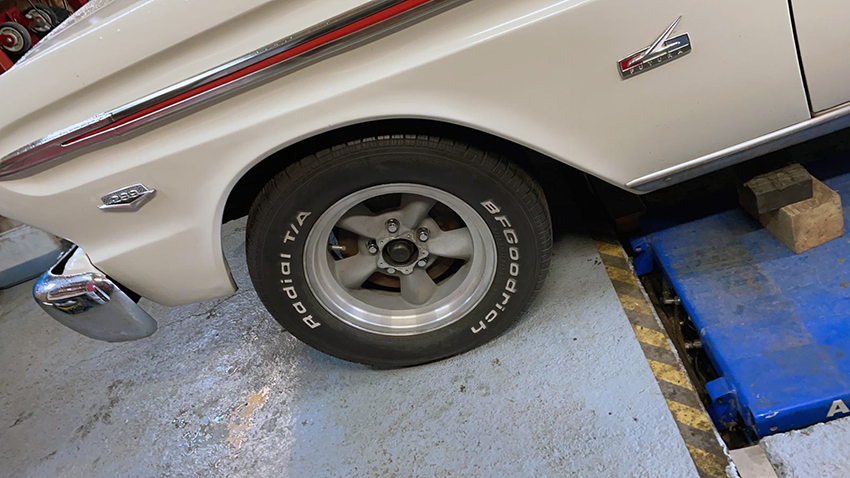
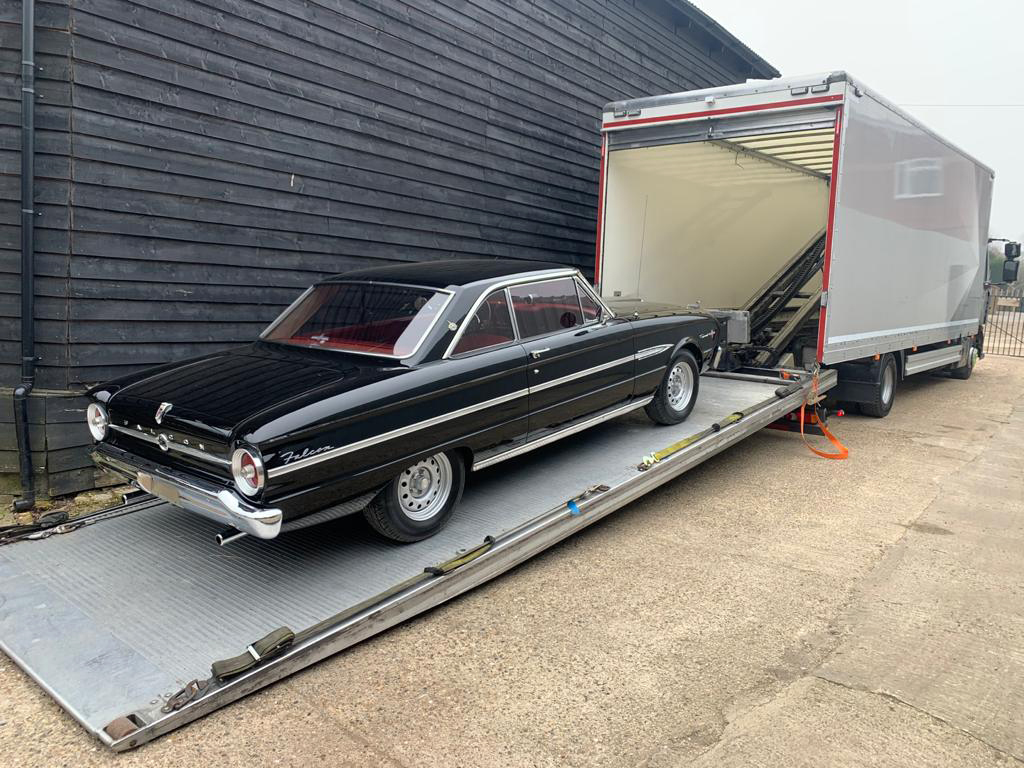
We have completed our first customer Leed Brakes conversion for free on Pauls’ very nice 1963 Ford Falcon.
First job was to remove the old brakes and doesn’t take Yogi long as it’s almost second nature now.
The master cylinder was removed and all fluids drained out.
The new parts laid out ready for fitting to the existing spindles after being checked that there was no excessive wear and tear or damage.
There the process of building up the rotors to the spindles.
The rotors were fitted into place with the wheel bearings and greased accordingly. Note the special tool we have that doesn’t damage the polished bearing cap.
The callipers are fitted on next.
Yogi with the copper slip coating (before being evened out) to allow the pads to slide into the callipers.
With the brake callipers in place new lines and brackets were fitted to the callipers.
The master cylinder take a little longer due to the confines of the location. The unmistakable brake line works of art can be seen too.
Then we bleed the brakes aligned the wheels to our own secret settings before take it for a test run. On return we checked the bleeds again and adjusted the brake pedal which invariably different from the stock drum position. The brake balance front to rear was set up to be a little bias to the front and then all was good with the world. We can’t go mad with the brake testing as the pads need to bed in little and settle to the rotors for a few miles. But, even at this new stage of fitting, stopping is significantly improved without fade along with a much better feel for the brake pedal.
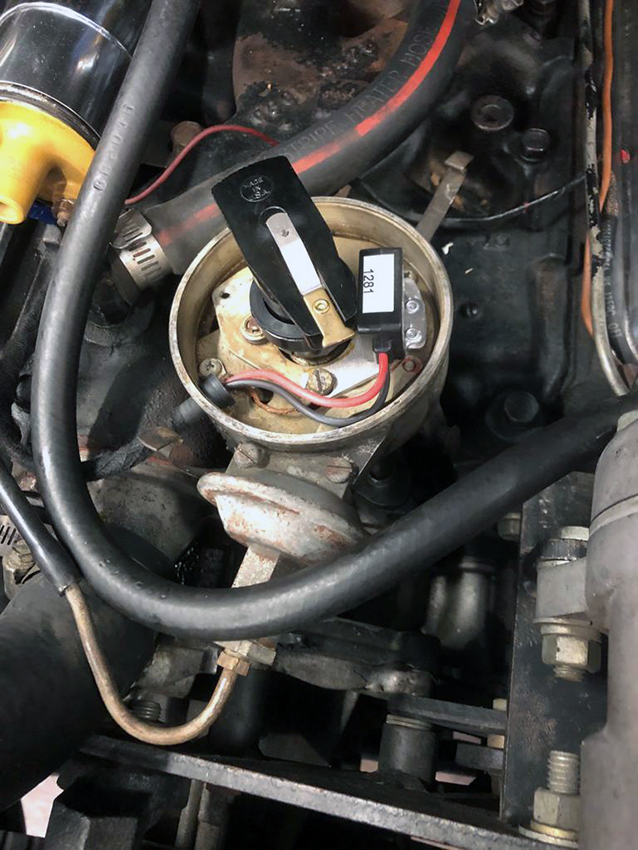
We had another job which was to fit the Pertronix Ignitor ignition upgrade. This bit of kit replaces the the standard contact points setup for a more accurate electronic solution for fit and forget.
Old points and condenser on the right, new tech on the left. the parts shown located on the base plate of the distributor in their respective positions.
The distributor cam is replaced with a magnetic collar for the sensor to pick up the fire signals, and finally the rotor is replaced.
An upgrade you notice from the outside, but a big upgrade for performance vs stability at a reasonable cost depending on the type of Pertronix kit you want.
Well that’s one car fitted for free, we just need the next car in to show that one as well for you.
Stay Safe & Take Care.
Share this: